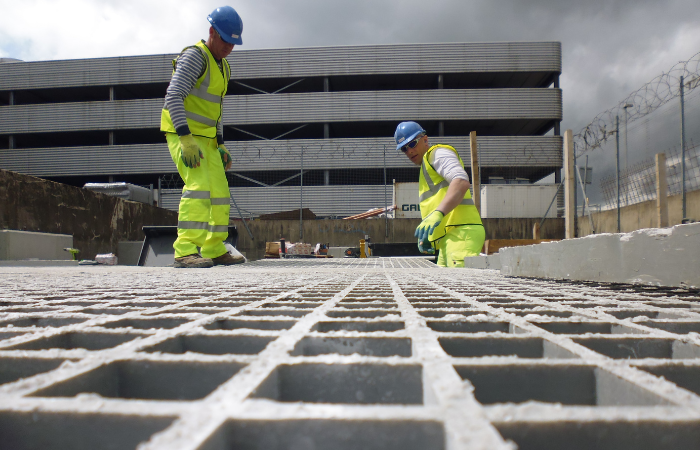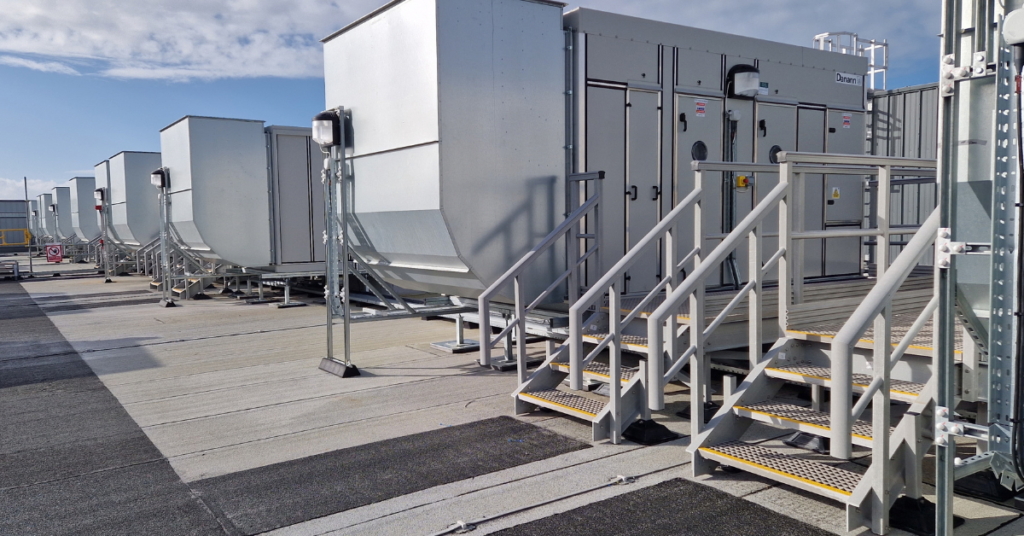
How GRP is Shaping the Future of Sustainable Data Centre Construction
As the global demand for digital infrastructure continues to accelerate, data centres are under increasing pressure to be not only high performing but also sustainable and resilient. While much of the conversation centres around IT systems, cooling innovations, and energy efficiency, the materials used in the physical construction of data centres are just as critical.
At Relinea, we believe that the use of GRP is an outstanding alternative to traditional construction materials. GRP enables more adaptable, efficient, and environmentally aligned solutions, especially in the complex, demanding environments typical of today’s data centres.


The Construction Challenge in Modern Data Centres
Data centres are complex facilities with stringent performance and environmental requirements. They must operate continuously, often in corrosive or high-humidity environments, and frequently undergo reconfiguration or expansion. These factors place significant demands on the materials used for platforms, walkways, trench covers, and cable management systems.
Traditional materials like steel and concrete, while familiar, present ongoing challenges:
- High embodied carbon and energy-intensive manufacturing
- Susceptibility to corrosion, particularly in cooling-intensive areas
- Heavy weight, leading to increased transport and installation costs
- Time-consuming and intrusive installation processes
As a result, there is a clear need to reconsider material strategies in line with the operational and environmental priorities of modern data centres.
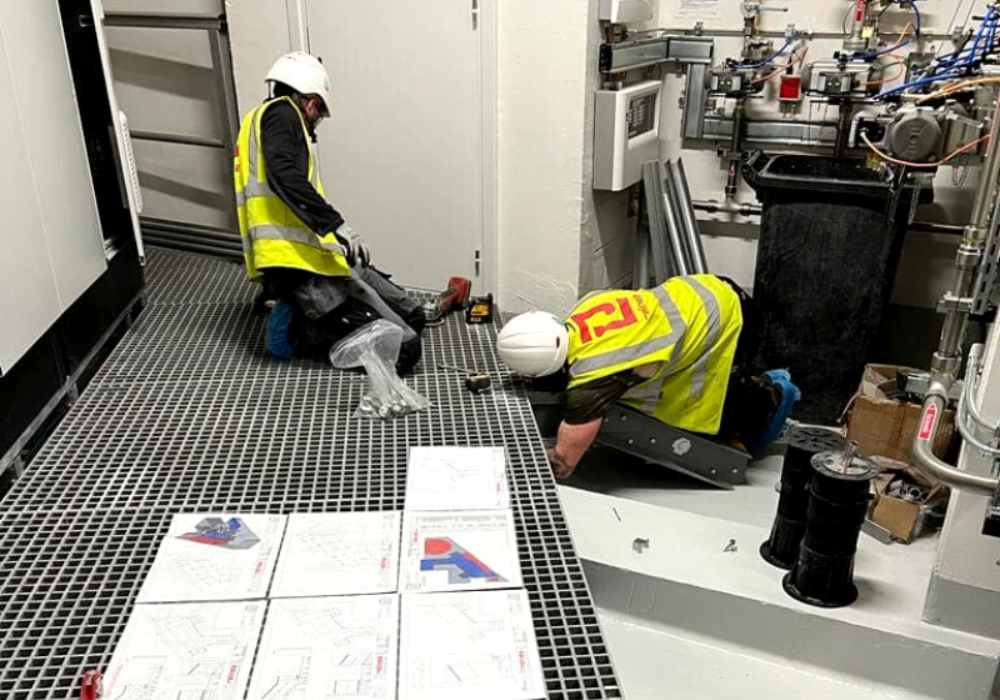
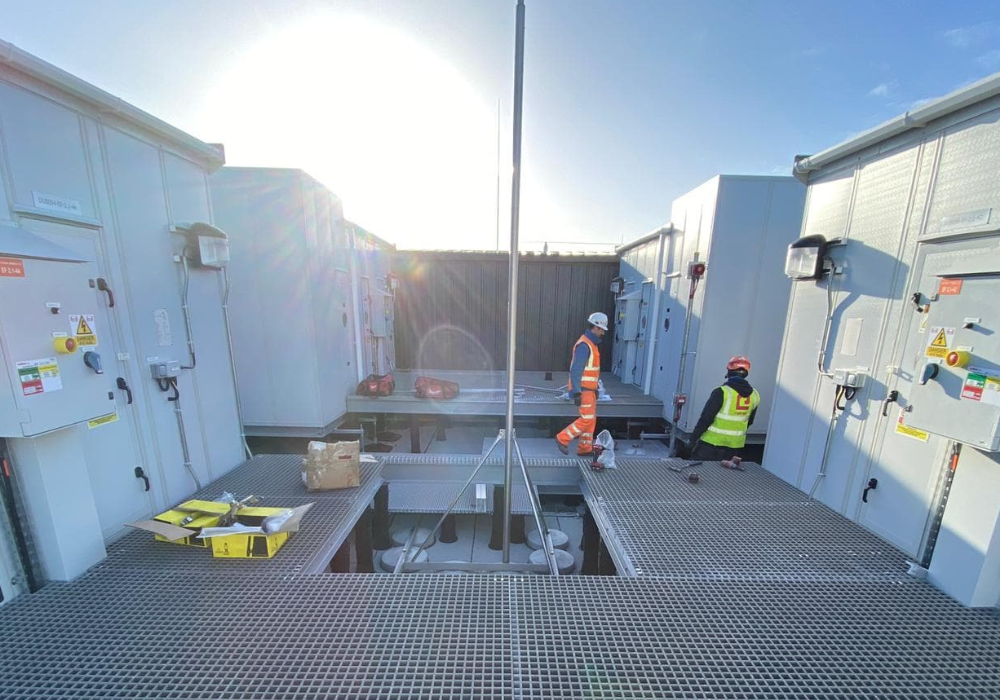
GRP: A Practical Material for Demanding Infrastructure
GRP is a composite material formed by combining glass fibres with a polymer resin. It offers an effective alternative for many construction applications where durability, safety, and reduced lifecycle costs are priorities.
Key Benefits of GRP in Sustainable Data Centre Construction
- Corrosion Resistance
GRP does not corrode, even in wet or chemically aggressive environments. This makes it ideal for use in cooling plant areas, rooftops, and external installations where traditional metals often degrade over time. - Lightweight with High Strength
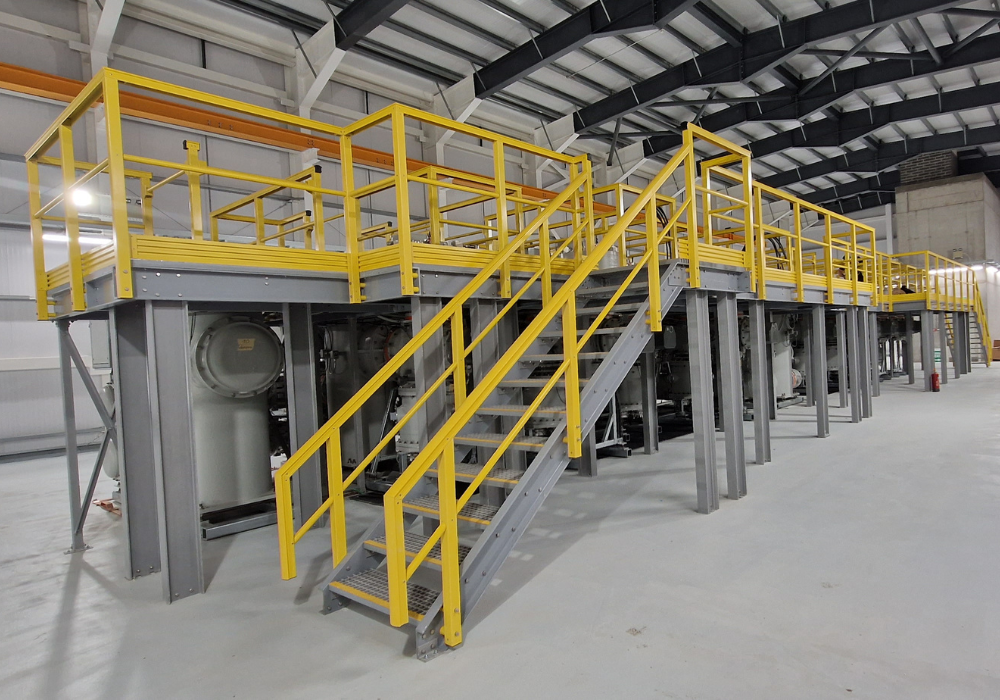
Although significantly lighter than steel, GRP delivers high mechanical strength, making it suitable for structural applications such as platforms, gratings, and stairways. This also means easier handling and quicker installation, especially beneficial in retrofit scenarios or live environments. - Non-Conductive and Thermally Efficient
GRP is electrically non-conductive, enhancing safety in high voltage areas. Its low thermal conductivity also contributes to the overall thermal performance of the facility, particularly in areas where insulation and temperature control are critical. - Low Maintenance Requirements
Unlike steel, GRP does not require painting or protective coatings and is highly resistant to wear. This leads to reduced operational costs and less disruption over the building’s lifecycle. - Design Flexibility
GRP components can be easily fabricated to custom specifications. This enables precise integration into complex layouts without the need for hot works or heavy lifting equipment, a major advantage in active data centre sites.
A More Sustainable Approach to Infrastructure
Sustainability in data centre construction extends beyond energy efficient systems, it includes materials, maintenance practices, and end of life considerations. GRP supports these goals in several ways:
- Lower environmental impact during transport and installation due to reduced weight
- Extended lifespan compared to traditional materials, reducing waste and replacement cycles
- Minimal maintenance, lowering use of chemicals and labour over time
- Potential for recycling through established composite processing routes
At Relinea, we also adopt manufacturing practices that minimise waste and optimise material use across all GRP product lines.
GRP in Practice: Relinea’s Role in Data Centre Construction
Relinea has delivered GRP solutions to leading data centre construction projects across the UK and Europe, helping contractors meet demanding technical and logistical requirements.
Our products include:
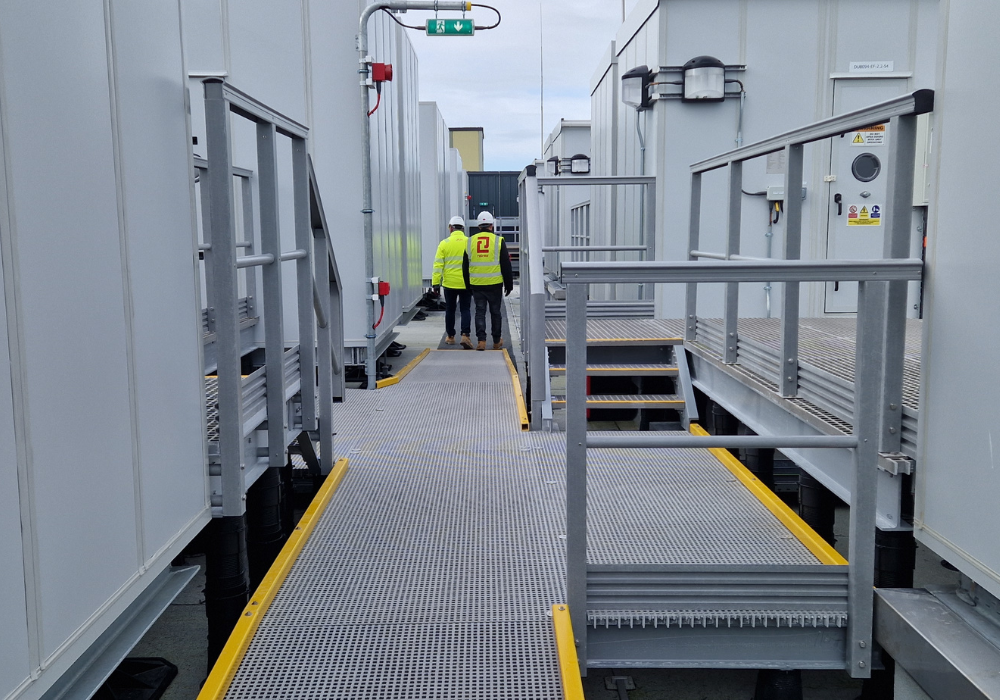
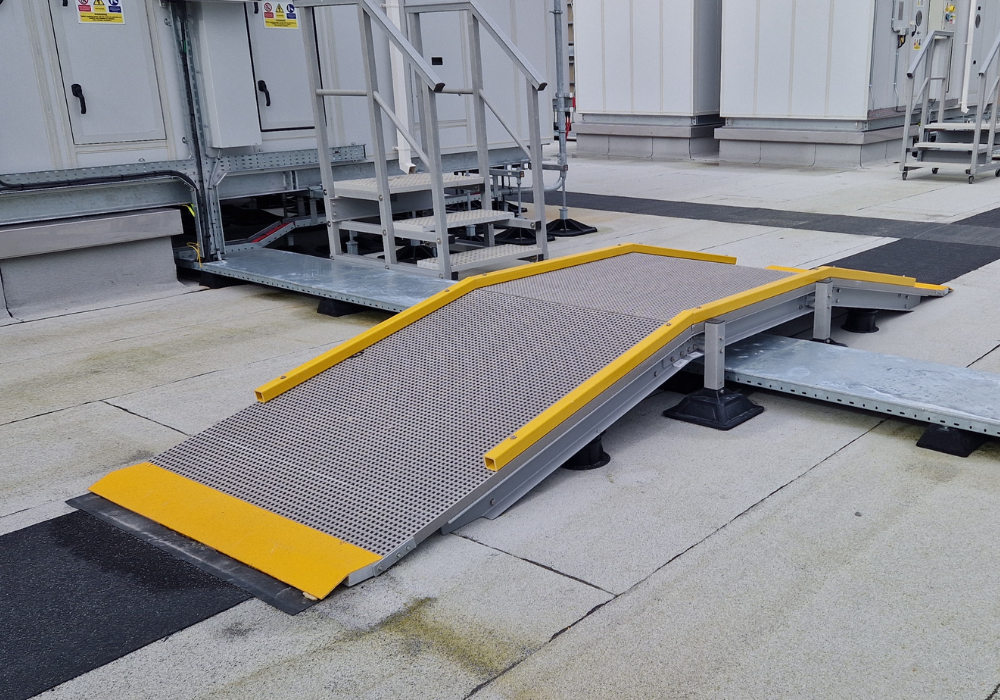
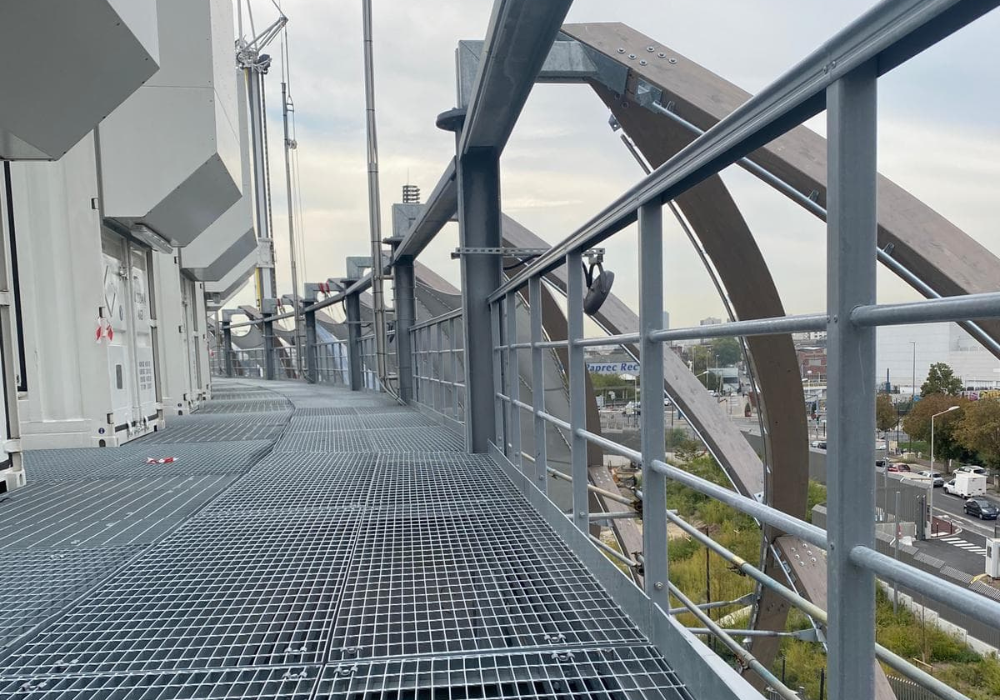
- Access platforms for rooftop access and elevated plant systems
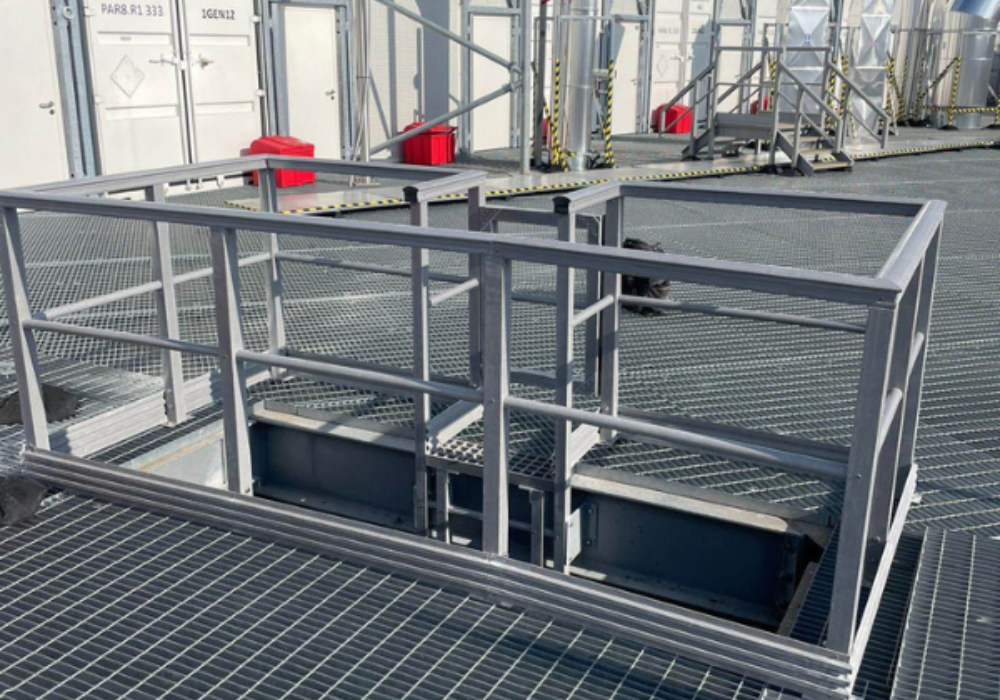
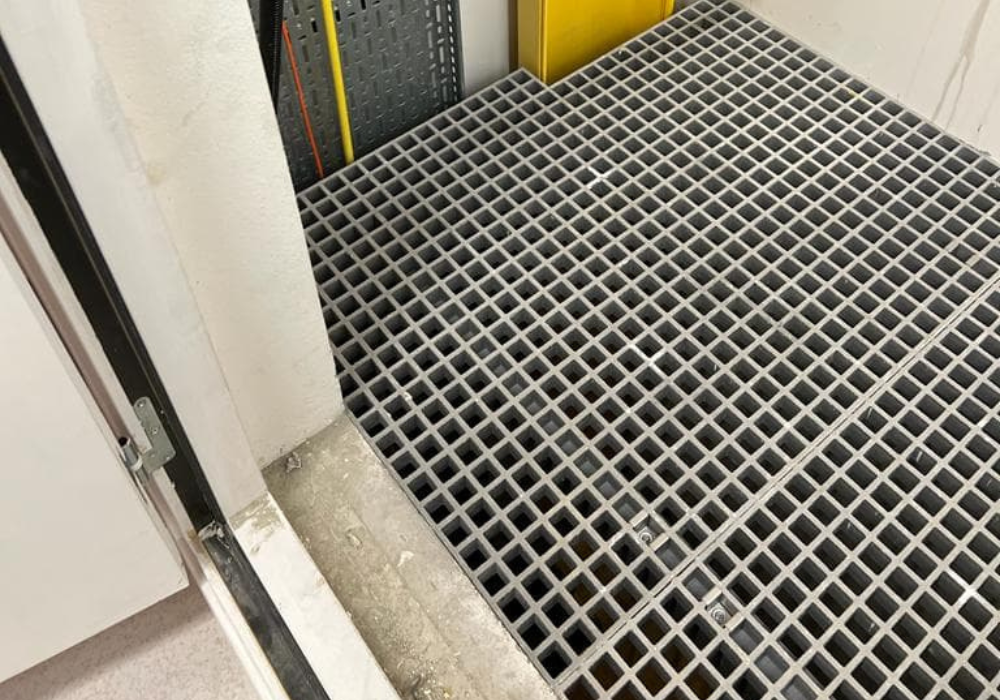
- Riser Guard for riser flooring and ensuring safety on site
- Heavy Duty trench covers designed for easy access and enhanced protection
- Slip resistant walkways suited to both indoor and outdoor applications
- DDA handrails compliant with British and European standards
- Safety access ladders warm to touch for indoor and outdoor environments
All systems are designed for ease of installation, low maintenance, and long-term reliability, making them especially suitable for mission critical environments.
Building for Long Term Performance
Data centres are long term investments. Every design decision, including material selection, contributes to their operational efficiency, safety, and resilience. GRP offers a material solution that aligns well with the industry’s direction: more modular, more sustainable, and more responsive to environmental challenges.
At Relinea, we view GRP not just as a construction material, but as a reliable component in the broader strategy of building smarter, more sustainable infrastructure.
Interested in integrating GRP into your next project?
Get in touch with the Relinea team for technical advice, design support, and tailored GRP solutions for data centre environments.