Sustainability of GRP
Relinea is committed to using manufacturing and innovation to make the shift towards a more sustainable business. Integrating sustainability into our business model and ways of working creates value for all. At every stage of our process, we reduce our environmental impact through innovation, R&D, and waste minimisation. Early engagement through planning and design combined with robust advanced product solutions ensures a reliable and sustainable future.
Sustainable GRP Solutions
Durable, Low-Maintenance Composite Solutions for Sustainable Infrastructure
As construction companies, architects and organisations work towards net zero targets and more sustainable construction practices, material selection has become increasingly important. Glass Reinforced Plastic (GRP) offers a long service life, low maintenance requirements, corrosion resistance and reduced transportation impacts, making it one of the most sustainable materials for infrastructure, water treatment, rail, industrial and public access applications.
Unlike traditional materials such as steel or timber, GRP does not corrode, rot or require regular protective coatings throughout its service life. These characteristics significantly reduce maintenance, replacement and associated carbon emissions over the lifetime of an asset.
At Relinea, sustainability is embedded throughout our design, manufacturing and supply chain processes, helping customers reduce whole-life costs while supporting environmental objectives.
“The construction industry consumes more of the earth’s resources (up to 50%) than any other industry”
Is GRP Sustainable?
The short answer is yes.
The sustainability of GRP comes from its performance over its entire lifecycle rather than simply the environmental impact of manufacturing. Although producing composite materials requires energy, GRP’s exceptional durability means products can remain in service for more than 50 years with minimal maintenance.
Key sustainability benefits include:
- Service life exceeding 50 years
- Excellent corrosion resistance
- No painting or protective coatings required
- Minimal maintenance throughout its lifespan
- Lightweight construction reducing transport emissions
- Reduced replacement frequency
- Lower whole-life carbon emissions compared with traditional materials
- Increasing opportunities for recycling through modern composite recycling technologies
When lifecycle performance is considered, GRP frequently delivers a lower environmental impact than conventional construction materials.
Environmental benefits of GRP:
- 75% less energy is needed to produce glass-reinforced plastic (GRP) than steel
- GRP structures are 75% lighter than steel which means 50% less energy is needed for transport and assembly
- GRP produces fewer greenhouse gasses and consumes less energy at the production stage than both steel and aluminum
- Recyclable – GRP can be incinerated in cement kilns to recover embodied energy, and incorporated into the production of cement
- The thermosetting resins used in GRP are far stronger and more durable than other plastics, giving most GRP products a lifespan of more than 50 years.
With a wealth of experience in sustainable innovation, Relinea is uniquely positioned to address a wide range of customer needs on the rapidly evolving pathway to decarbonization and to help them build a better, more sustainable world. By working together, we can reduce our effect on the environment and create a sustainable future for all.
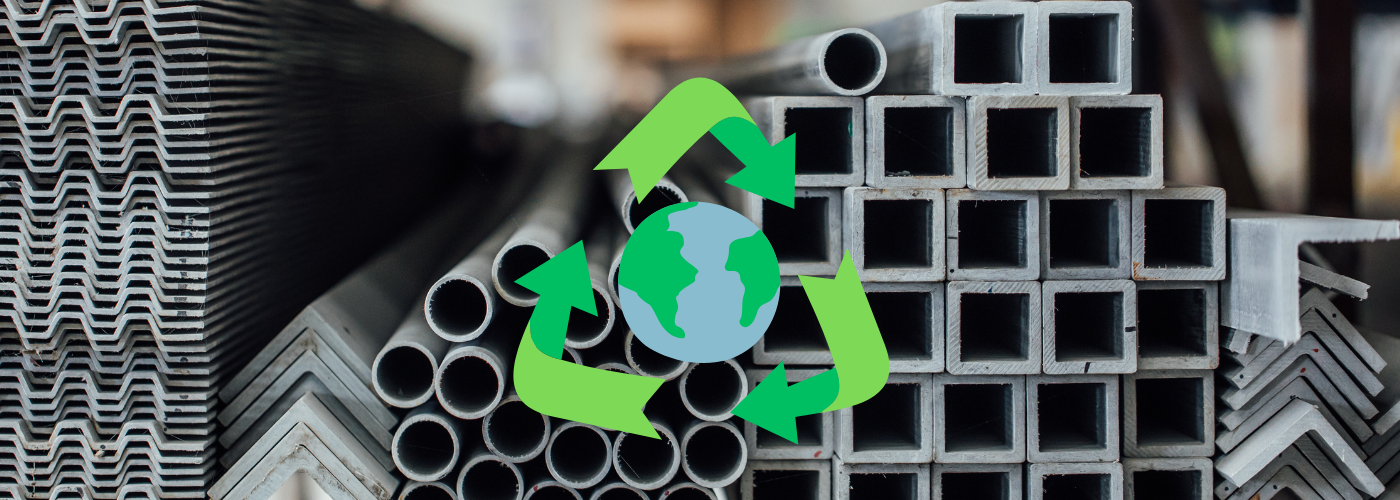
Why GRP is a Sustainable Construction Material
Designed for Longevity
One of the greatest environmental impacts of any construction material comes from replacement.
GRP structures are specifically engineered to withstand harsh outdoor environments, chemical exposure, coastal conditions and industrial applications without degradation. This exceptional durability reduces the need for replacement materials, site visits and maintenance operations throughout the product’s lifespan.
Long-lasting infrastructure conserves natural resources while reducing waste generation and embodied carbon associated with manufacturing replacement products.
Lifecycle Carbon: GRP vs Steel
While the embodied carbon associated with manufacturing GRP can be comparable to other structural materials, the overall picture changes significantly when considering the complete lifecycle.
Because GRP requires virtually no repainting, corrosion protection or replacement during normal service, operational emissions throughout its lifetime are substantially lower than many traditional alternatives.
When maintenance activities, transportation, replacement materials and operational downtime are considered together, GRP can offer significantly lower whole-life carbon emissions than steel in many infrastructure applications.
For asset owners focused on whole-life value rather than initial cost alone, GRP provides an environmentally responsible long-term solution.
GRP vs Steel Sustainability Comparison
| Sustainability Factor | GRP | Steel |
|---|---|---|
| Corrosion Resistance | Excellent | Susceptible to corrosion |
| Maintenance | Minimal | Regular maintenance required |
| Protective Coatings | Not required | Required |
| Service Life | 50+ years | Dependent on environment |
| Transport Emissions | Lower | Higher |
| Installation | Lightweight | Heavy lifting often required |
| Whole-Life Carbon | Lower in many applications | Higher due to maintenance |
Environmental Product Declaration (EPD) for GRP Access Platforms
At Relinea, we understand that sustainability isn’t just a goal, it’s a measurable commitment. That’s why we are proud to have achieved a third-party verified Environmental Product Declaration (EPD) for our Glass Reinforced Plastic (GRP) Access Platforms.
An EPD is an independently reviewed document that provides transparent and comparable data on a product’s environmental footprint throughout its life cycle. Developed in accordance with recognised international standards (EN 15804+A2 and ISO 14025), this declaration offers clients, designers, and specifiers clear insights into the environmental performance of our GRP access solutions.
Unlike marketing claims or internal assessments, an EPD is grounded in rigorous Life Cycle Assessment (LCA) methodology and verified by an external, accredited body. It allows clients, designers, and contractors to make informed, evidence-based decisions when selecting products for sustainable projects. Whether you are assessing whole-life carbon, supporting BREEAM or infrastructure sustainability targets, or reporting on environmental impact, the EPD serves as a trusted source of verified data.
Our EPD confirms that Relinea’s GRP Access Platforms contain no REACH Substances of Very High Concern (SVHCs) above 0.1% and reflects performance across key indicators including carbon emissions, energy and water use. The declaration covers the product from raw material extraction (cradle) through manufacturing (gate), and incorporates end-of-life considerations.
By publishing this EPD, Relinea is reinforcing its commitment to environmental transparency, continuous improvement, and sustainable engineering solutions that help you meet today’s rigorous environmental standards while planning responsibly for tomorrow.
Lifecycle Assessment (LCA)
Lifecycle Assessment measures the environmental impact of a product from raw material extraction through manufacturing, transportation, installation, use and end-of-life processing.
Assessing products over their complete lifecycle provides a more accurate picture than considering manufacturing emissions alone.
For GRP, lifecycle assessment consistently highlights the environmental advantages created through:
- Long service life
- Reduced maintenance
- Fewer replacement cycles
- Lower transport emissions
- Improved durability in aggressive environments
These factors contribute significantly towards reducing whole-life environmental impact.
GRP and the Circular Economy
Sustainable construction increasingly focuses on designing infrastructure that remains in service for as long as possible.
GRP aligns with circular economy principles by extending asset lifespans and reducing material consumption through exceptional durability.
Advances in composite recycling technologies are also creating new opportunities to recover materials from end-of-life GRP products, supporting the ongoing development of more circular composite manufacturing.
Supporting Net Zero Infrastructure
Many infrastructure owners are committed to achieving net zero carbon objectives.
Selecting durable, low-maintenance construction materials plays an important role in reducing lifecycle emissions.
GRP contributes towards these objectives by:
- Extending asset life
- Reducing maintenance activities
- Minimising replacement materials
- Lowering transportation emissions
- Reducing operational disruption
- Supporting efficient infrastructure management
As governments and industry increasingly prioritise whole-life carbon assessment, GRP continues to demonstrate significant sustainability advantages.
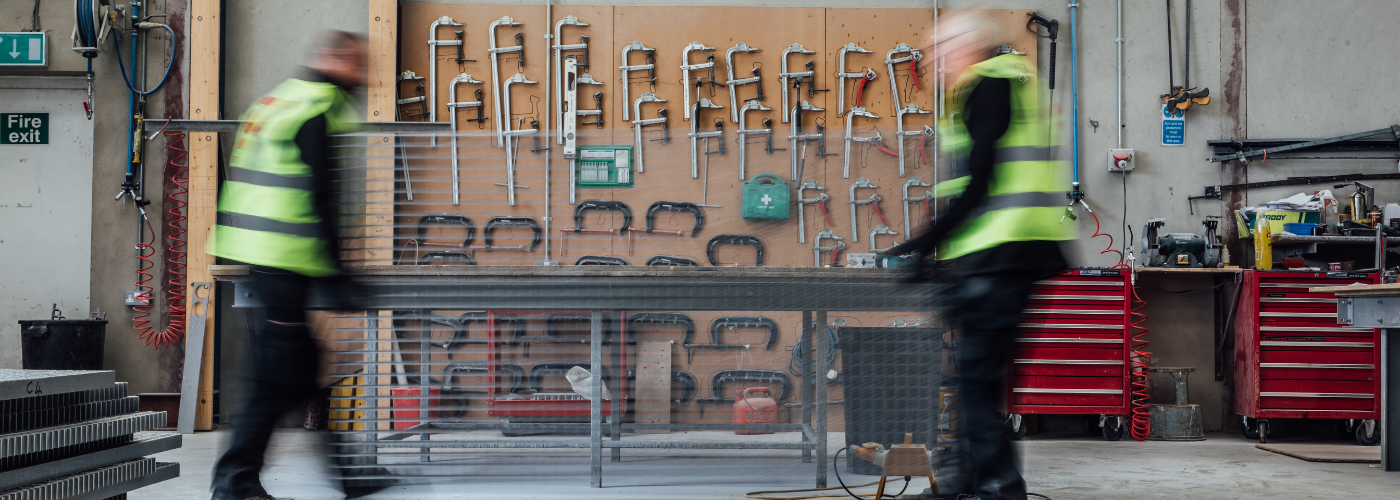
Sustainability at Relinea
Sustainability extends beyond the products we manufacture.
Relinea is committed to improving environmental performance across every stage of our business through responsible sourcing, efficient manufacturing, waste reduction and continuous improvement.
Our sustainability initiatives include:
- Publishing independently verified environmental data
- Investing in lifecycle assessment
- Improving manufacturing efficiency
- Reducing operational waste
- Supporting responsible procurement
- Designing products for long service life
By combining technical expertise with environmental responsibility, we help customers deliver safer, more sustainable infrastructure projects.
Supply Chain Sustainability School Silver Member
Relinea is proud to be recognised as a Silver Member of the Supply Chain Sustainability School, demonstrating our commitment to continuous improvement in environmental, social and governance (ESG) performance.
The Supply Chain Sustainability School is a collaborative industry initiative that helps organisations improve sustainability knowledge and best practice across the built environment, infrastructure and construction sectors. Achieving Silver Membership reflects our ongoing investment in developing sustainable business practices, enhancing our environmental performance and supporting responsible procurement throughout our supply chain.
As a Silver Member, we continue to strengthen our approach to:
- Environmental sustainability
- Carbon reduction and climate action
- Responsible sourcing
- Ethical business practices
- Social value
- Supply chain collaboration
- Continuous learning and professional development
For our customers, this provides additional confidence that sustainability is embedded not only within our GRP products but throughout the way we operate as a business.
Whether supporting wastw water treatment, data centres, high rise construction, railway, or industrial infrastructure projects, Relinea is committed to delivering durable GRP solutions alongside responsible environmental and business practices.
“Global material use is projected to more than double from 79Gt in 2011 to 167Gt in 2060”
Revolutionary GRP - the material of the future!
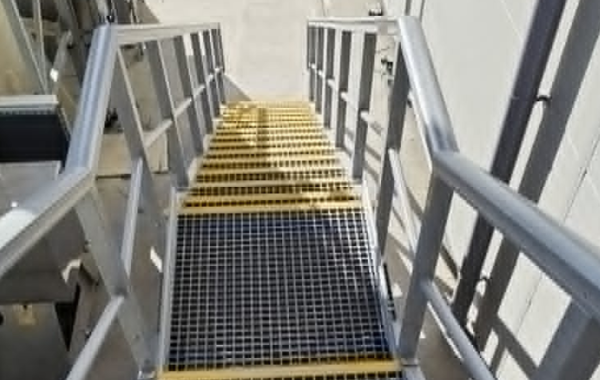
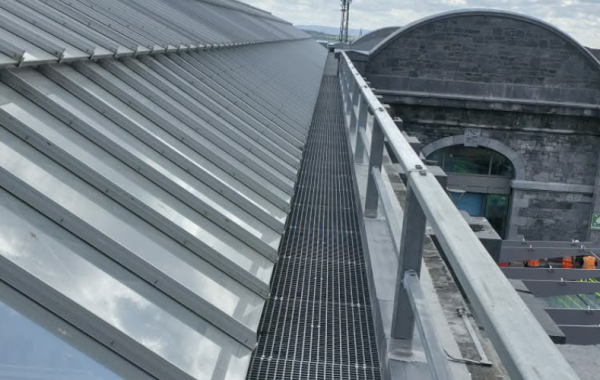
Products made from GRP can offer significant environmental benefits because of their characteristically low weight, good mechanical properties, and excellent resistance to corrosion.
GRP can be effectively used in the development of new structures to achieve a superior service life without the need for regular, costly maintenance. As we work towards sustainability goals and extending the life of products, glass-reinforced plastic can also be incorporated into existing structures to extend existing service life.
With an exceptional strength-to-weight ratio, GRP will reduce the overall carbon footprint of a project. Using a revolutionary approach that focuses on intelligent GRP design combined with innovative manufacturing processes, Relinea can develop solutions that have a much lower carbon footprint in comparison to traditional building materials such as concrete & steel. Built to last, GRP is the material of the future for those seeking energy-efficient, green, sustainable solutions.
If you would like to read more, you can download our sustainability report below:
Purpose-driven GRP product design & fabrication
Our GRP innovation challenges construction conventions.
Innovation with purpose.
Our innovative approach to GRP design and fabrication reduces cost and makes installation easier.
Collaborative solutions.
We work with clients to find unique, long-lasting composite solutions.
Use our GRP experience to solve your problems.
20+ years GRP experience delivers lighter, lower maintenance alternatives to steel.
We are proud to have built products for