Search

OCU GRP Access Staircase Installation

At a Glance

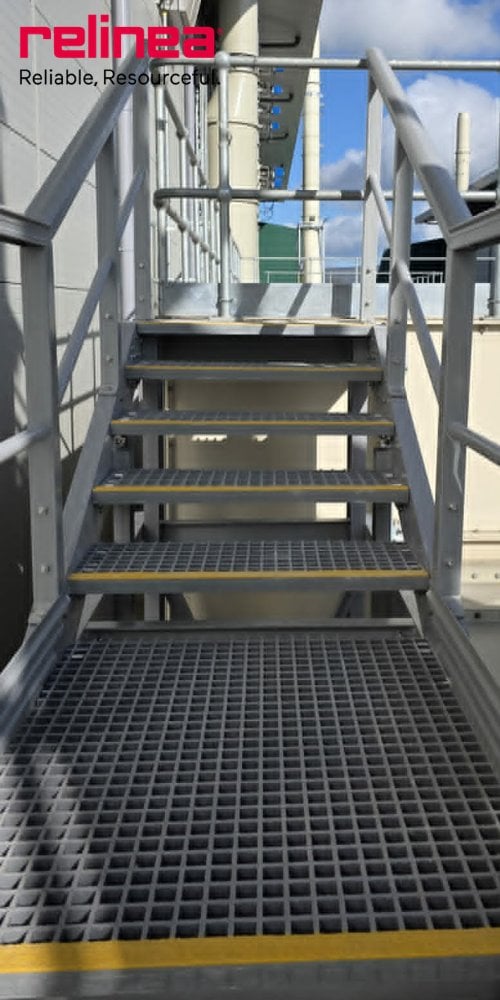
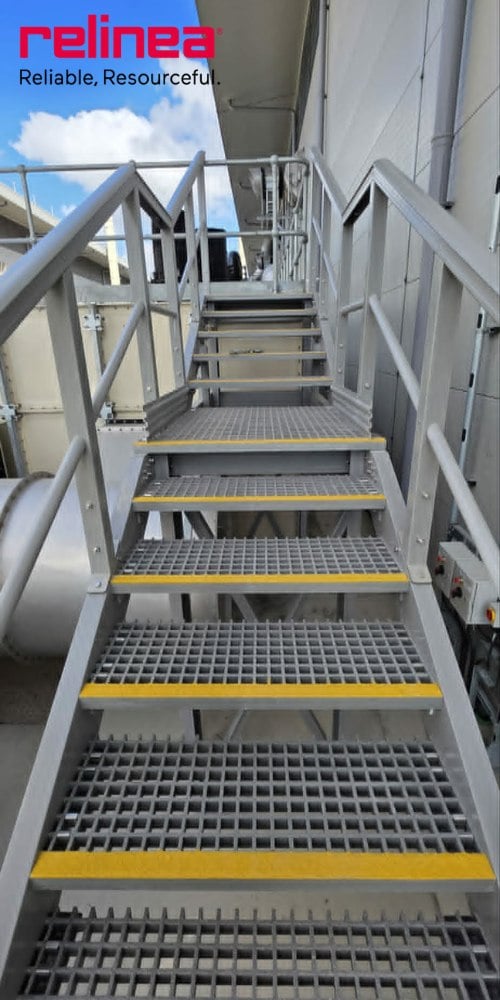
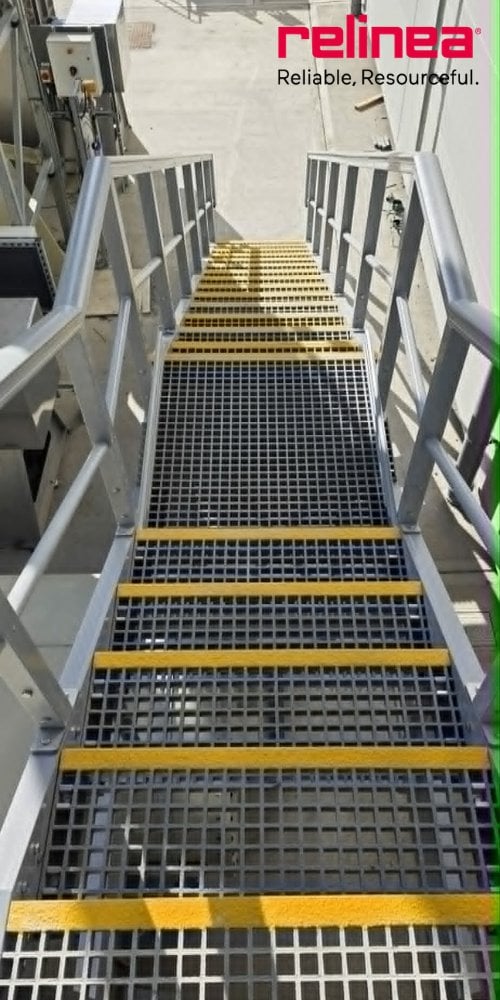
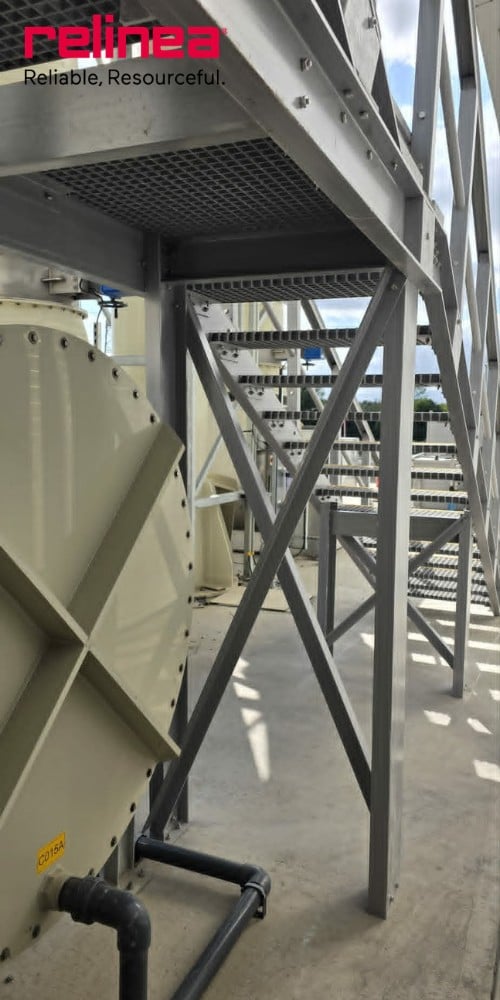
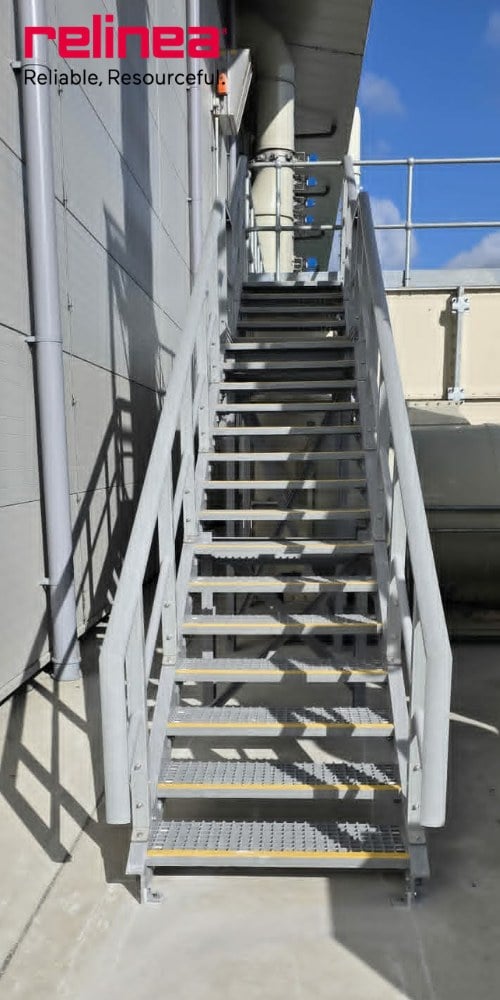
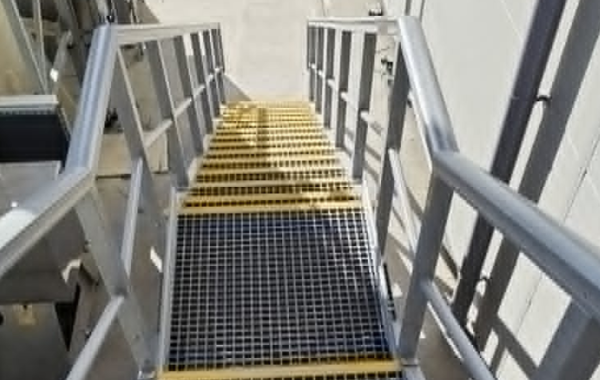
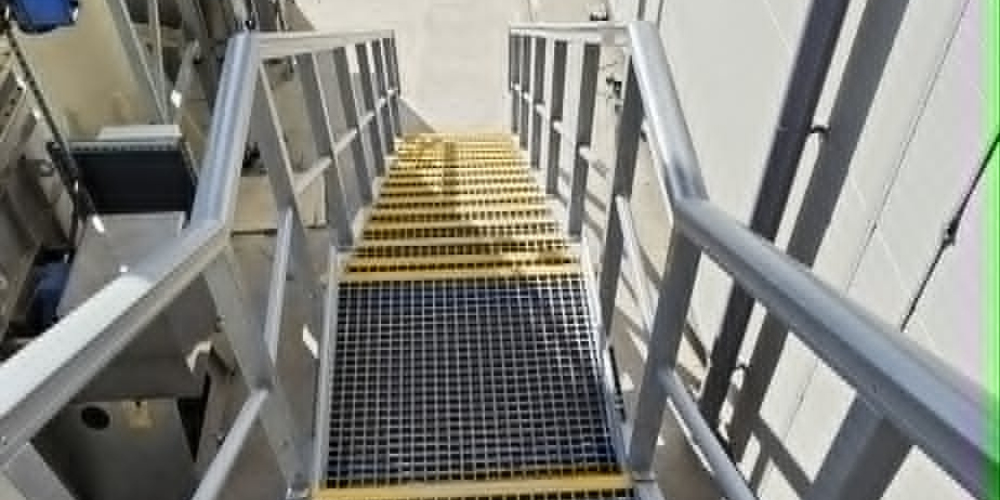
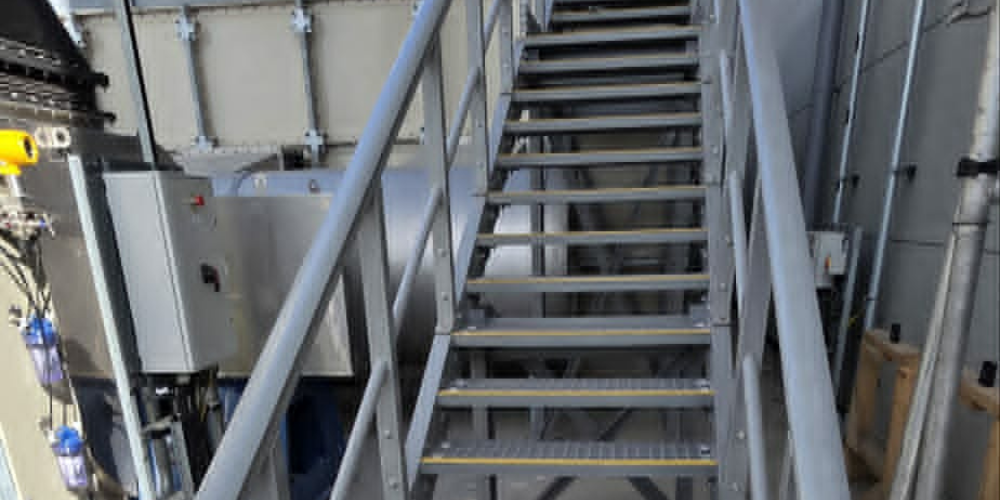
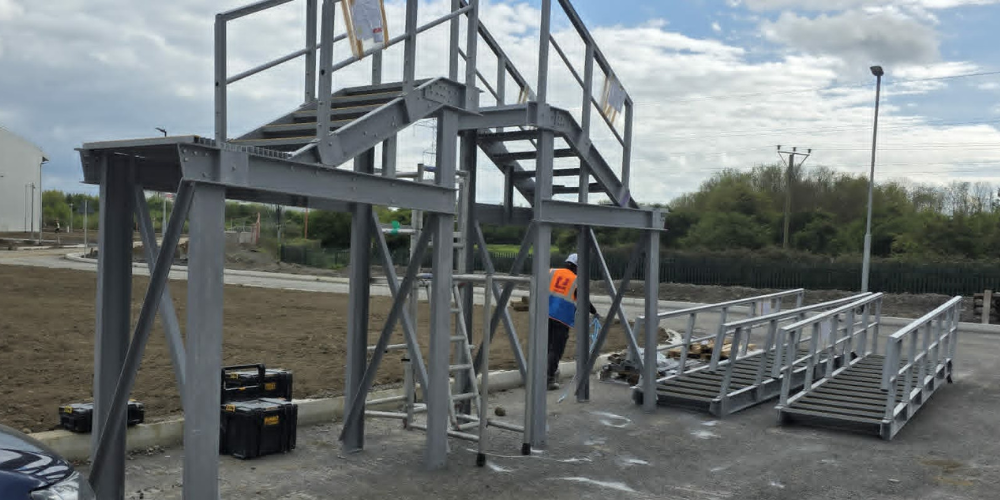
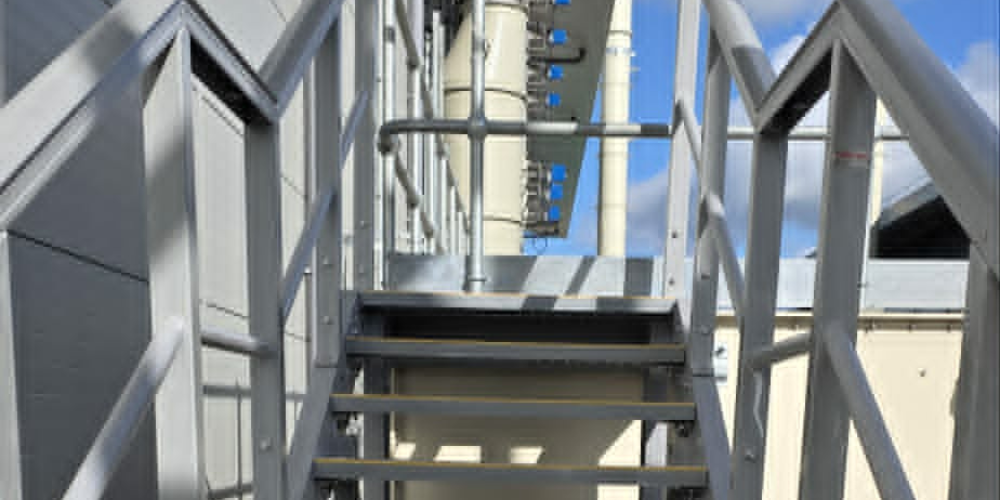
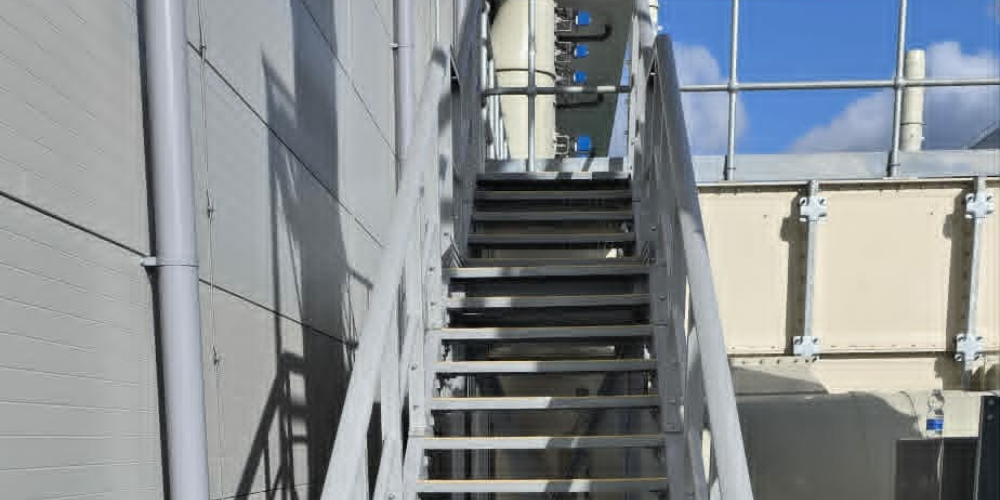
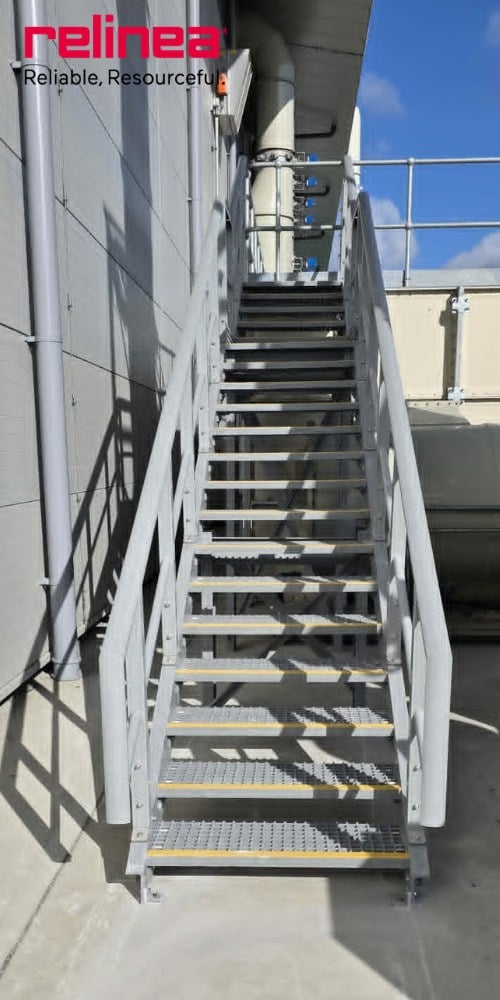
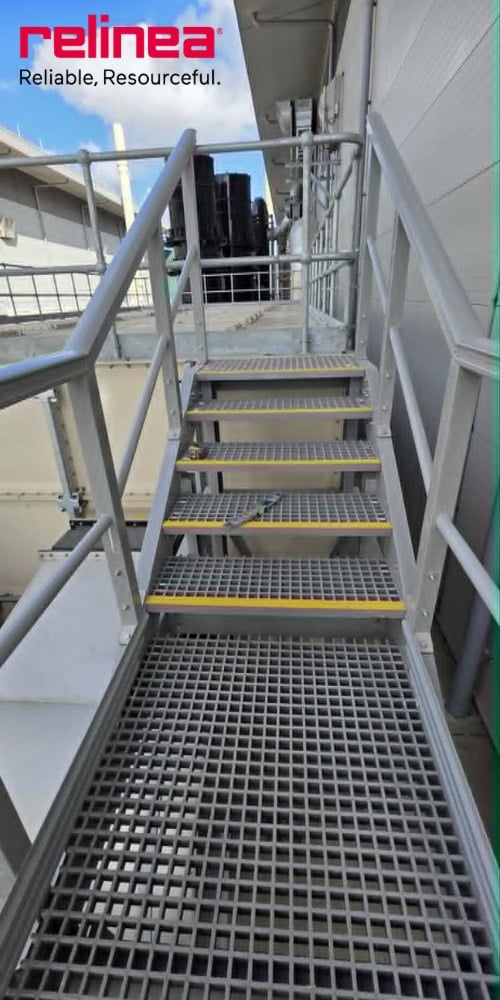
A custom-designed GRP access staircase has recently been completed as part of a major infrastructure project supporting biosolids storage in the Greater Dublin Drainage area. Manufactured entirely from high-performance Glass Reinforced Plastic (GRP), the staircase rises to 2850mm and incorporates a mid-landing to ensure safe and practical access. Built with durability and user safety at its core, the structure includes 38mm Re-Grid treads with anti-slip grit surfaces and high-visibility yellow nosing, alongside a robust side-fixed box section handrail system. Delivered in collaboration with Ward & Burke, this installation plays a vital role in supporting operations linked to the storage and management of treated biosolids from Ringsend Wastewater Treatment Plant and surrounding facilities.
Share this:
Client
Ward and Burke
Location
Services
Products

Problem/Challenge

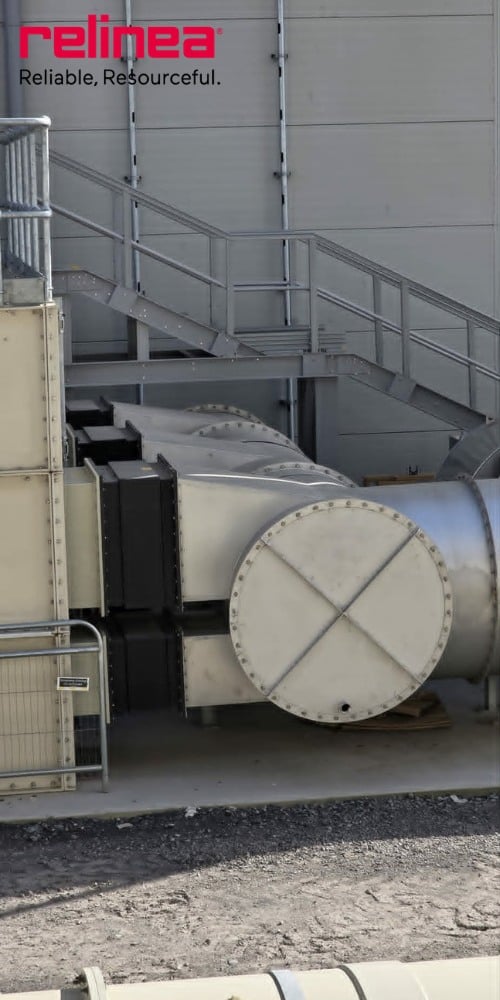
The project formed part of a wider initiative focused on the safe storage and handling of treated biosolids, a by-product of wastewater treatment. These materials, while essential to manage responsibly, present a number of environmental and operational challenges, particularly in relation to odour control. The presence of gases such as hydrogen sulphide, mercaptans, and ammonia requires carefully designed containment and treatment systems to ensure compliance with environmental standards and to minimise impact on surrounding areas.


Odour Control Units (OCUs) are critical in this process, capturing and treating contaminated air from enclosed areas such as thickening, dewatering, and storage zones. However, these environments are inherently harsh. High humidity, chemical exposure, and constant operational use create conditions that can quickly degrade traditional construction materials.


Within this context, providing safe and reliable access for maintenance and operational personnel becomes a key concern. The staircase needed to withstand corrosive conditions, support frequent use, and maintain high safety standards in potentially slippery and exposed environments. At the same time, installation efficiency and long-term maintenance considerations were important factors for the client.

Solution

GRP was selected as the material of choice for the staircase, offering a solution that directly addresses the environmental and operational challenges of the site. Its inherent corrosion resistance makes it exceptionally well suited to the aggressive conditions associated with biosolids processing and odour control systems, ensuring long-term structural integrity without the risk of rust or degradation.


Despite its lightweight nature, GRP provides impressive strength, allowing for easier handling and faster installation without compromising performance. This was particularly beneficial in a project where efficiency and precision were essential. The inclusion of 38mm Re-Grid treads with anti-slip grit surfaces significantly enhances user safety, providing secure footing even in wet or contaminated conditions, while the yellow nosing improves visibility and reduces the risk of missteps.


The side-fixed box section handrail adds further stability and user confidence, contributing to a robust and compliant access solution. Beyond its immediate performance benefits, GRP also offers long-term value through minimal maintenance requirements. Unlike traditional materials, it does not require painting or ongoing treatment, reducing lifecycle costs and operational disruption.


With an expected lifespan exceeding 50 years, GRP also supports sustainability goals by reducing the need for replacement and associated resource use. The completed staircase stands as a strong example of how modern composite materials can deliver safe, efficient, and durable access solutions in demanding industrial environments, reinforcing GRP’s position as a preferred choice where reliability and performance are critical.
 

Scroll to Top