Trick or Treat? The Sweet Advantages of GRP Over Traditional Materials
As Halloween approaches, the age old question arises: trick or treat? At Relinea, we like to think about that question in terms of materials, particularly when it comes to the bespoke solutions we create for our clients and the advantages of GRP.
Choosing the wrong material can lead to costly maintenance, structural issues, or design limitations, an unwelcome “trick.” Selecting the right material, on the other hand, can simplify installation, reduce maintenance, and provide lasting reliability, a definite “treat.”
GRP is increasingly preferred in many applications because of its durability, strength, and versatility. This article explores the practical advantages of GRP over traditional materials such as steel, timber, and concrete, highlighting both the pitfalls to avoid and the benefits to embrace.
The Tricks of Traditional Materials
Before looking at GRP, it is worth considering some of the common challenges associated with traditional materials.
-
Costly Maintenance
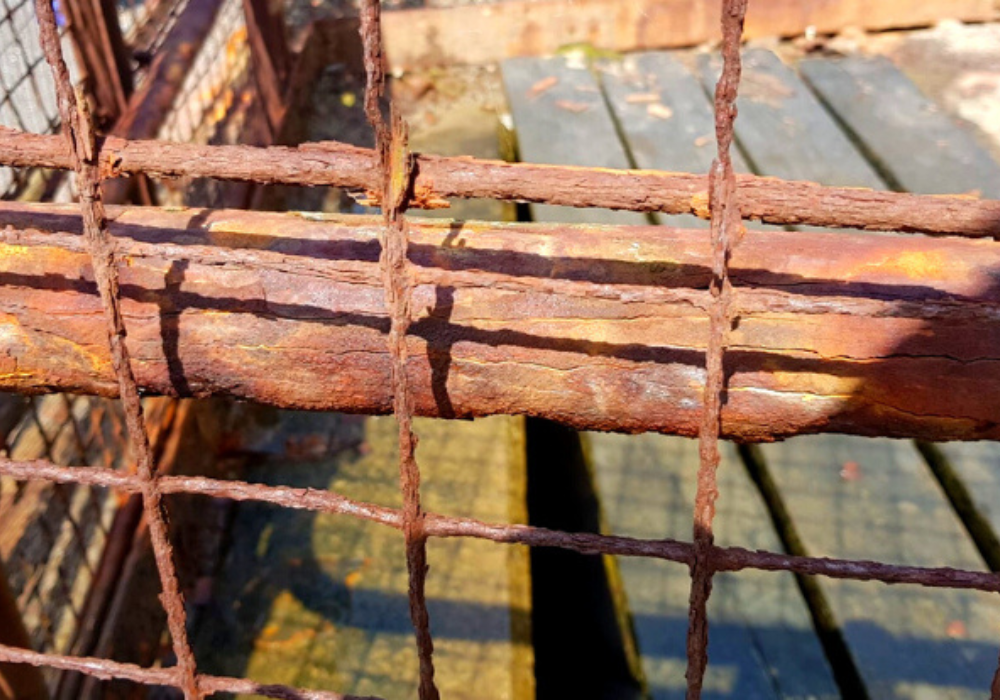
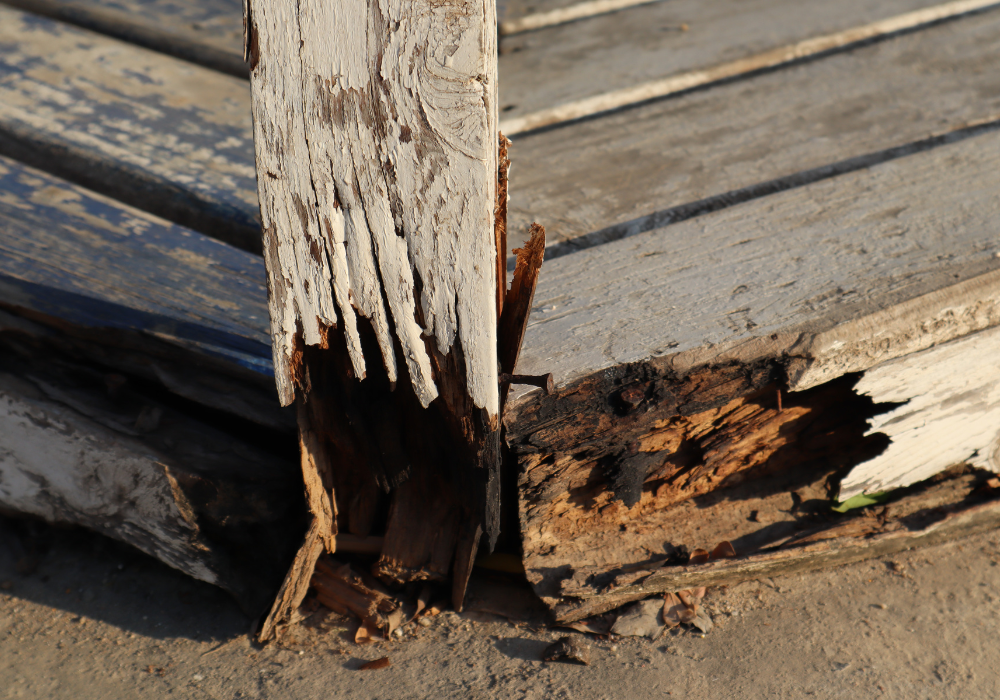
Steel is prone to rust and corrosion if not protected with coatings or regular maintenance. Timber can warp, rot, or be affected by insects. Both require ongoing care to maintain structural integrity and appearance, which increases long-term costs.
-
Weight and Installation Challenges
Heavy materials like steel and concrete can be difficult to handle. Transporting them requires additional equipment, and installation can be more complex and time-consuming, often adding to project costs.
-
Susceptibility to Environmental Factors
Traditional materials can deteriorate quickly in harsh conditions. Moisture, chemicals, salt, and extreme temperatures can all reduce lifespan and performance. Unexpected repairs or replacements can follow if these factors are not carefully managed.
-
Limited Design Flexibility
Shaping or customising steel and concrete can be challenging and expensive. Complex geometries or bespoke designs often require specialised fabrication methods, which add cost and time.
The Treats and Sweet Advantages of GRP
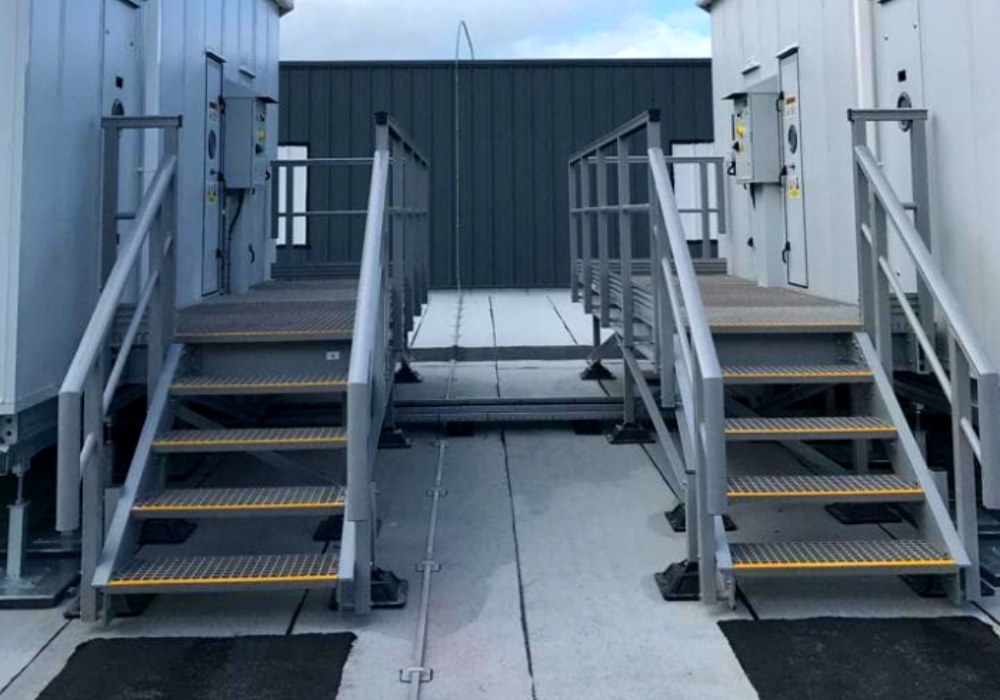

GRP addresses many of the limitations of traditional materials, offering practical benefits in both performance and maintenance.
-
Lightweight and Easy to Handle
GRP is significantly lighter than steel or concrete. This makes it easier to transport, manoeuvre, and install, reducing the need for heavy lifting equipment and speeding up construction schedules.
-
Strength and Durability
Despite its lightness, GRP is highly durable. It can withstand significant loads and impacts while remaining resistant to corrosion, rot, and chemical attack. These properties make it suitable for industrial, coastal, and chemical environments where traditional materials would require additional protection.
-
Low Maintenance
GRP requires very little maintenance compared with steel or timber. It does not rust, warp, or rot, and retains its structural and visual qualities over time. This reduces ongoing costs and ensures reliability.
-
Design Versatility
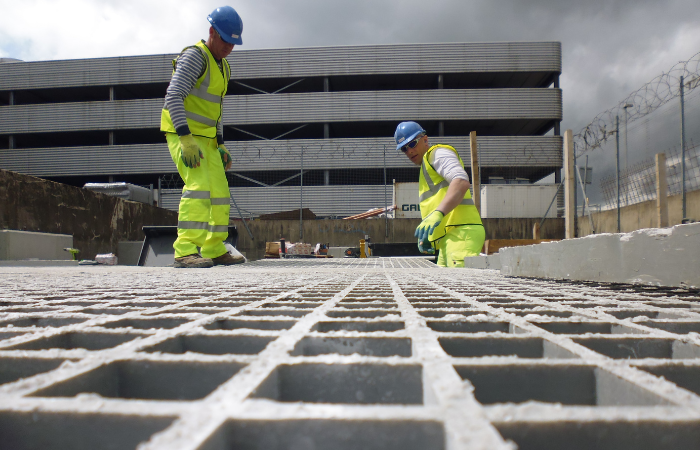
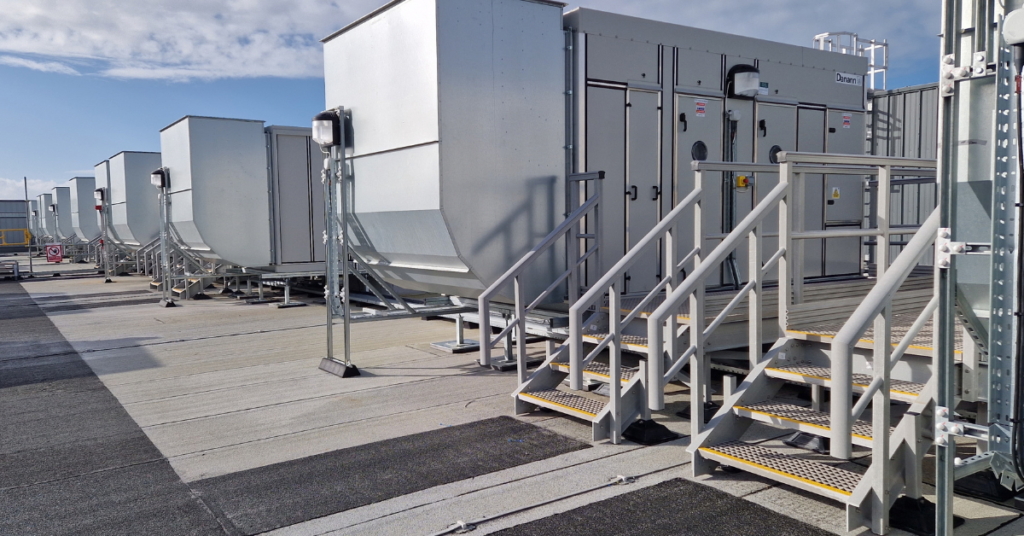
GRP can be moulded into a wide range of shapes, enabling customised solutions for specific projects. Walkways, handrails, gratings, panels, and other bespoke structures can be produced without the complexity or expense associated with traditional materials.
-
Longevity and Sustainability
GRP has a long service life, meaning fewer replacements over time. Its durability reduces the environmental impact of frequent repairs or material waste, making it a sustainable option for many applications.
Conclusion
Choosing the right material is crucial for ensuring safety, durability, and cost effectiveness. Traditional materials such as steel, timber, and concrete have their place, but they come with potential pitfalls, including maintenance requirements, environmental vulnerability, and design limitations.
GRP offers practical advantages: it is lightweight, strong, resistant to corrosion and rot, low maintenance, and highly versatile. By understanding these benefits, engineers, designers, and project managers can make informed decisions that save time, reduce costs, and deliver reliable results.
This Halloween, when faced with the choice between a “trick” or a “treat,” GRP clearly offers the sweeter option.