How GRP Helps Reduce Environmental Impact in Water & Wastewater Projects
GRP is increasingly recognised as a sustainable material of choice in water and wastewater projects. As local authorities, utilities and engineering firms pursue long term environmental goals and carbon reduction targets, GRP’s unique combination of durability, corrosion resistance, and low lifecycle impacts positions it as a leading material for sustainable water sector applications.
In this article, we explore how GRP supports environmental performance in water and wastewater projects, from reduced maintenance emissions to longer service life and lower carbon footprint.
What Is GRP and Why It Matters for Water and Wastewater Projects
Glass Reinforced Plastic is a composite material made from glass fibres embedded within a resin matrix. It combines excellent mechanical strength with corrosion resistance, chemical inertness, and a low weight relative to traditional materials such as steel or concrete.
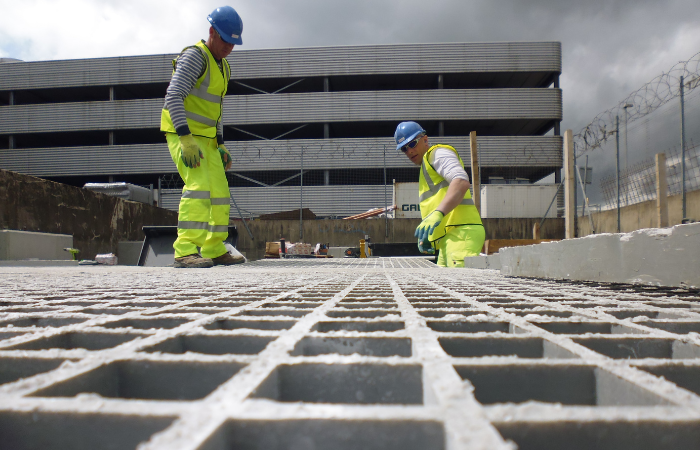
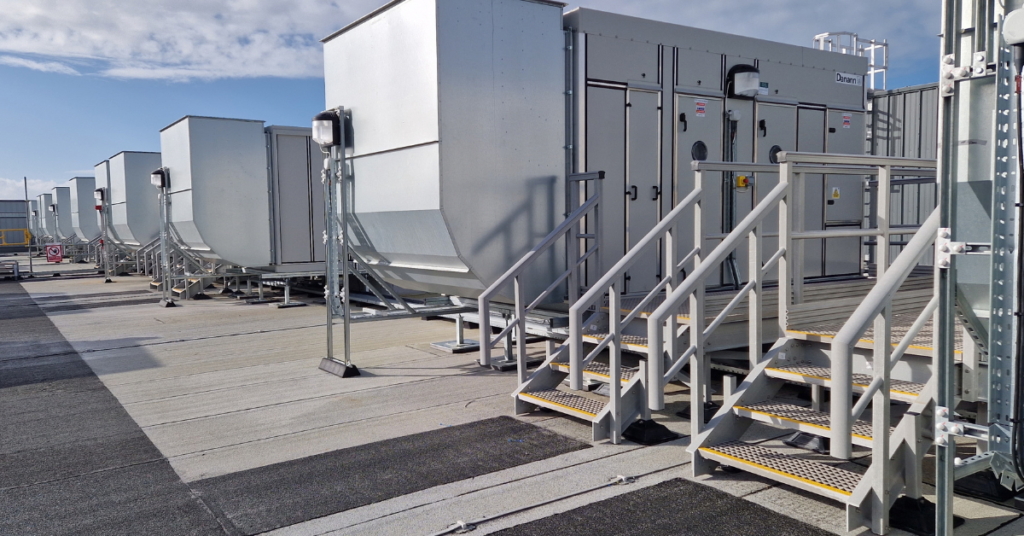
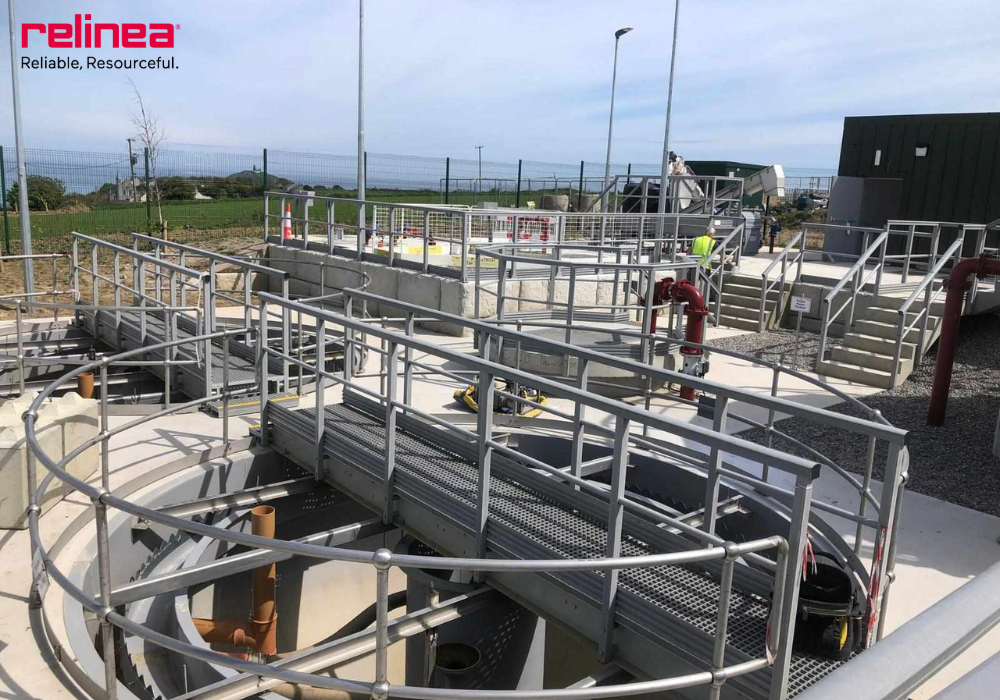
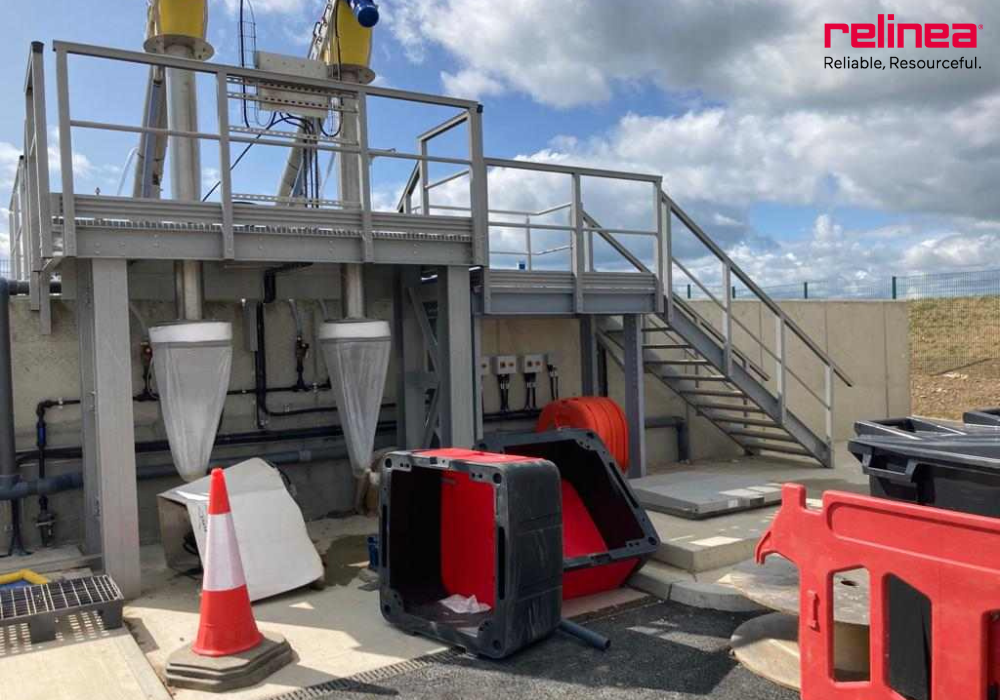
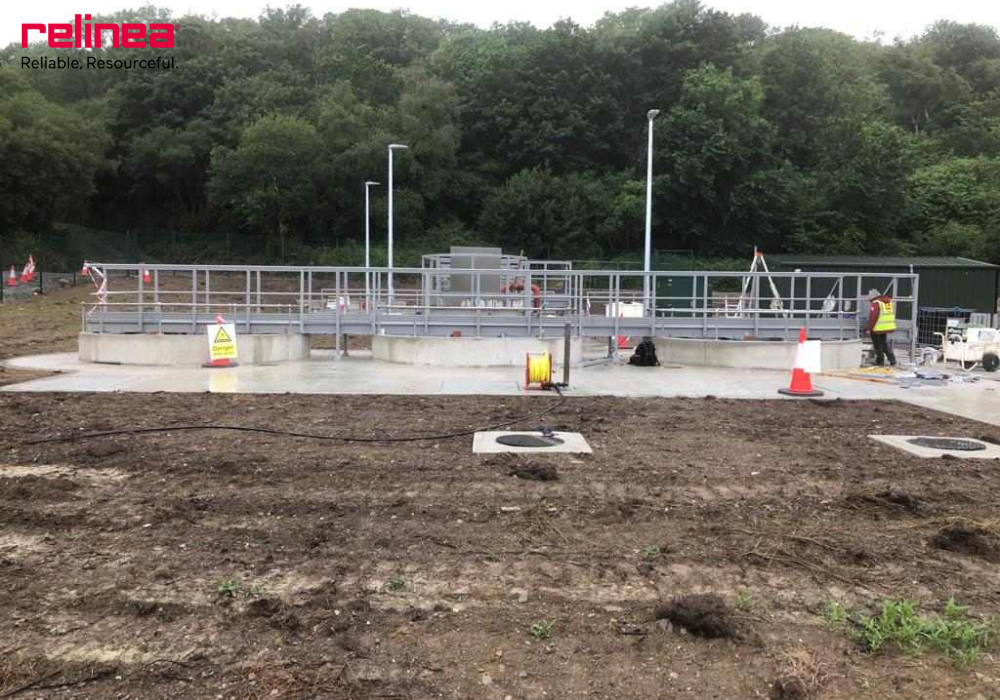
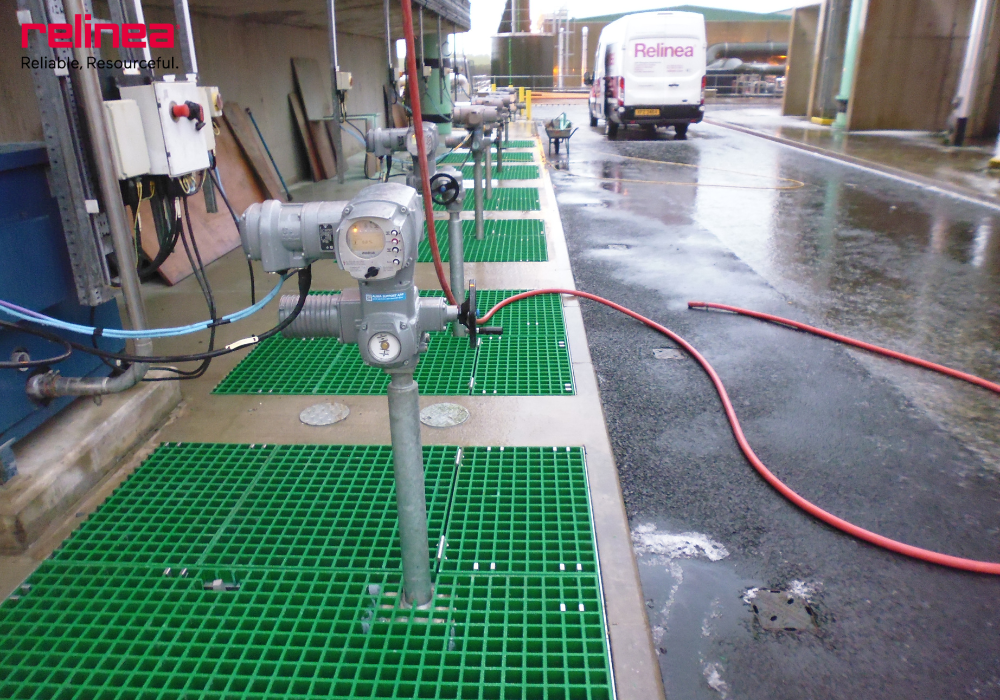
These properties make GRP ideal for a wide range of water and wastewater infrastructure components including pipes, access platforms, covers, and structural elements used in treatment plants, pump stations, and network systems.
The water sector increasingly values materials that reduce environmental impact over the full lifecycle of an asset, not just at installation.
Corrosion Resistance Means Less Waste and Lower Emissions
One of the most significant sustainability advantages of GRP is its inherent resistance to corrosion. Unlike steel or concrete, GRP will not rust, rot, or degrade when exposed to water, chlorides, acids, or other common contaminants in wastewater environments.
Why Corrosion Resistance of GRP Matters
Reduced Maintenance: Corrosion leads to frequent maintenance, recoating, and replacement cycles in steel infrastructure, each requiring energy, materials, transport, and labour.
Lower Emissions: Every maintenance visit generates greenhouse gas emissions from site vehicles, equipment and worker travel. GRP’s corrosion immunity eliminates many of these interventions.
Longer Service Life: GRP systems typically remain structurally sound for 50 years or more, reducing embodied carbon through fewer replacements over time.
This durability means fewer components sent to landfill, savings on raw materials, and less environmental disruption from construction or repair, all of which contribute to lower lifecycle environmental impacts.
Lower Carbon Footprint Across the Lifecycle of Water and Wastewater Projects
Sustainability is increasingly measured in lifecycle carbon emissions, the total greenhouse gases emitted from raw material sourcing, production, transport, installation, operation, maintenance, and end-of-life disposal.
Independent research shows that GRP can deliver significantly lower lifecycle emissions than traditional materials for your water and wastewater projects:
- Up to 47% lower lifecycle CO₂ emissions compared to structural steel.
- Lower embodied carbon in production due to less energy-intensive manufacturing.
- Reduced transport emissions thanks to GRP’s lightweight nature, which lowers fuel consumption during delivery.
By specifying GRP platforms, walkways, handrails and products in water and wastewater projects, engineers can directly contribute to organisational Net Zero and emissions reduction strategies, while improving environmental product declarations (EPDs) for better sustainability reporting and certification.
Minimal Maintenance, Fewer Site Visits, Fewer Emissions
Routine infrastructure maintenance is not just a direct cost, it’s an environmental burden. Traditional materials often require:
- Frequent inspections
- Protective coatings (e.g., paints or galvanising)
- Recoating at regular intervals
- Surface repairs due to corrosion or weathering
GRP’s performance eliminates most of these maintenance needs. Its chemical and weather resistance means that the primary maintenance activity is often simple cleaning and visual inspection, translating to fewer site visits and lower emissions associated with transport and machinery use.
For organisations striving to reduce operational emissions, this is an often overlooked sustainability gain.
Lightweight Properties Reduce Construction and Transport Impact
GRP’s lightweight nature is not just a handling advantage, it helps reduce environmental impact during early project phases:
- Less heavy lifting equipment needed during installation.
- Lower fuel usage for transport due to reduced shipment weight.
- Reduced site disruption and smaller carbon footprint during construction.
This makes GRP particularly suitable for retrofit projects where heavy plant access is limited or costly, and for remote water infrastructure installations where transport logistics significantly affect carbon output.
GRP End-of-Life Options That Align With Circular Economy Goals
While recycling infrastructure for composites is still evolving, GRP can be repurposed or reused in certain contexts. End-of-life GRP components can sometimes be:
- Recycled into lower-grade construction products
- Used as filler material in new composites
- Incinerated with energy recovery in industrial processes
This supports broader circular economy objectives and reduces reliance on landfill disposal, especially compared with materials that degrade quickly or that cannot be repurposed.
Practical Applications of GRP in Water & Wastewater Projects
GRP is already widely deployed in water sector applications:
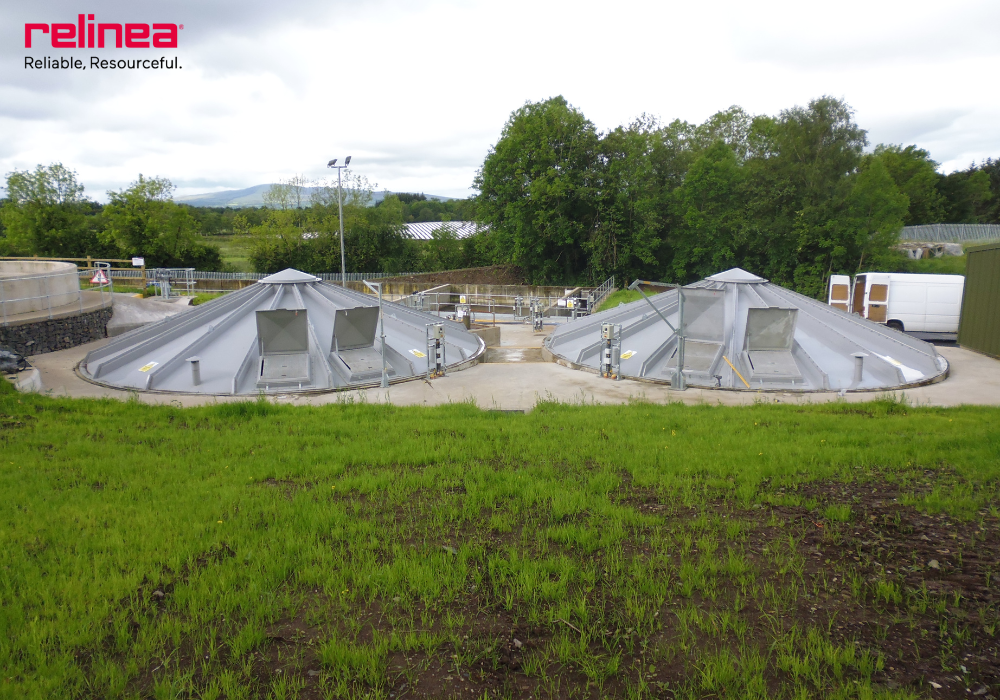
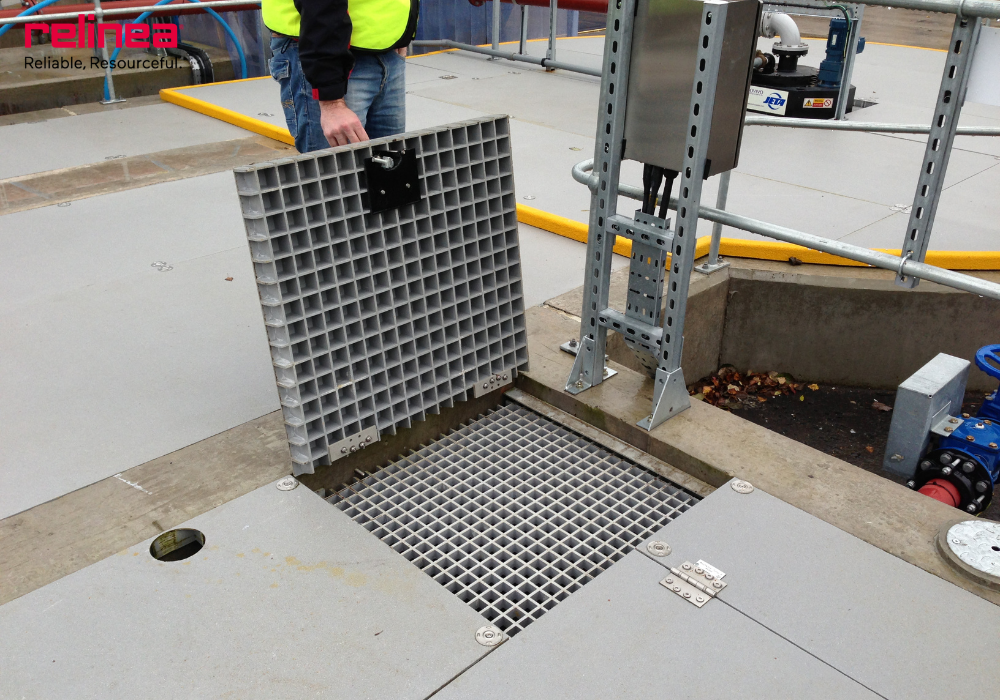
- Water and wastewater treatment plants: baffles, covers, launder systems, and structural components that resist chemical and moisture exposure.
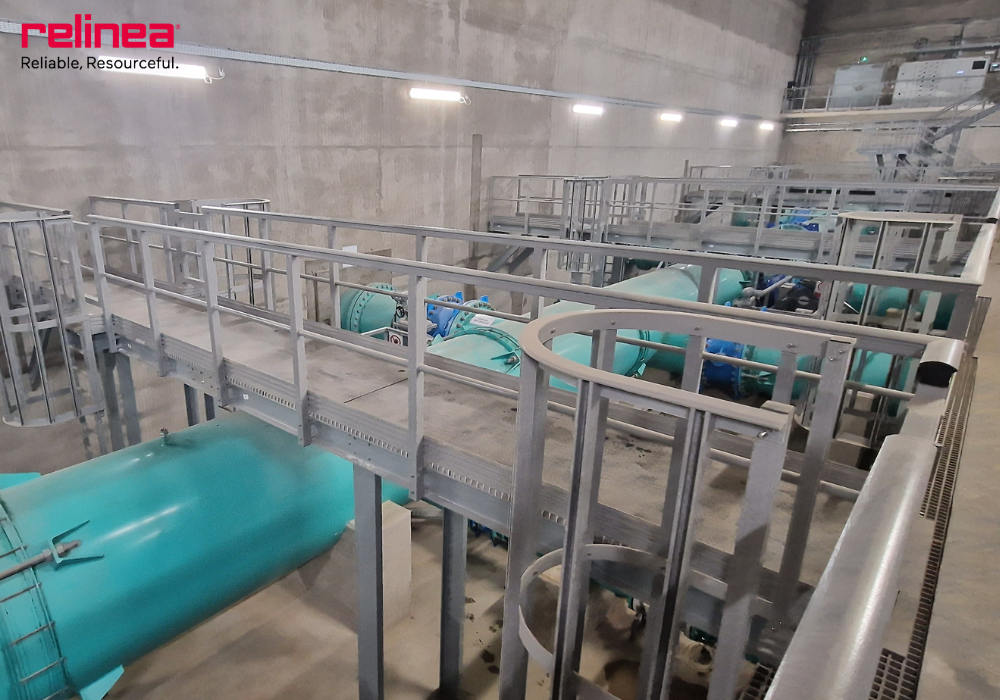
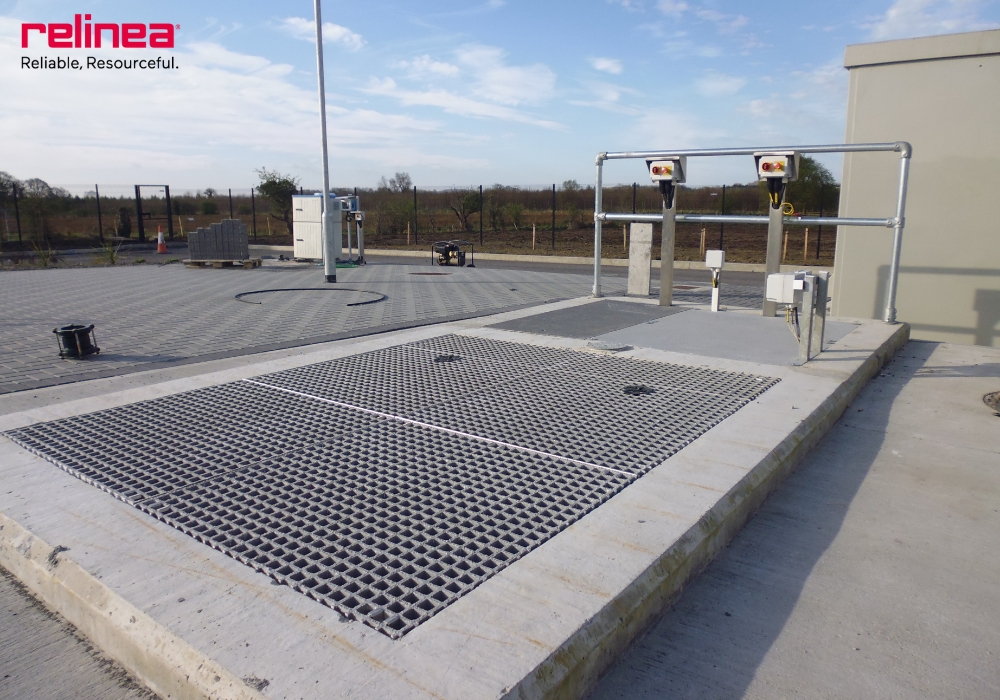
- Pump stations and wet wells: platforms, grating, and access systems that avoid corrosion-related failures.
In each case, GRP’s resilience and minimal lifecycle intervention deliver environmental benefits alongside performance reliability.
Bringing It All Together: Sustainability That Performs
The environmental advantages of GRP aren’t just theoretical; they deliver measurable benefits for long-term infrastructure performance:
- Reduced greenhouse gas emissions across the project lifecycle.
- Lower energy and material demand from production through to installation and end-of-life.
- Fewer maintenance-related emissions and resource waste.
- Enhanced service life that delays replacement and conserves resources.
These benefits align with global sustainability priorities and support engineering, procurement, and construction teams in delivering greener water and wastewater infrastructure projects.
Conclusion – Using GRP for Water and Wastewater Projects
As the water and wastewater sector faces mounting environmental challenges, from climate targets to tighter regulations and public demand for sustainability, GRP offers a compelling solution.
By reducing corrosion, lowering lifecycle emissions, minimising maintenance needs, and improving operational efficiency, GRP helps organisations deliver infrastructure that lasts longer and impacts less.
For engineers, specifiers, and asset owners alike, understanding and leveraging the environmental advantages of GRP will be critical in delivering sustainable water systems that meet both performance and environmental goals.