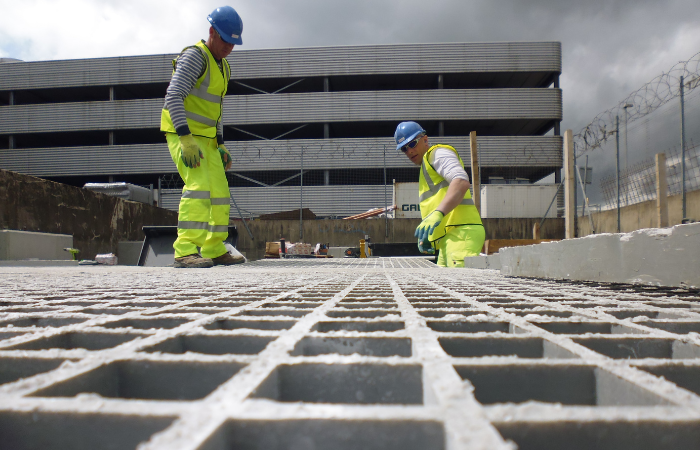
Maintenance-Free GRP Walkways
For infrastructure owners, the true cost of a walkway is rarely the day it is installed.
The real cost emerges over the decades that follow. Inspections, repairs, repainting programmes, corrosion treatment, access restrictions, replacement components and labour costs all contribute to the long-term burden of maintaining traditional access systems.
As maintenance budgets come under increasing pressure and asset owners are expected to do more with less, organisations across water, utilities, rail, energy, data centres, high-rise buildings and industrial facilities are rethinking how access infrastructure is specified.
The focus is shifting from simply installing walkways to installing walkways that require little to no maintenance throughout their service life.
This change in mindset is driving growing demand for Glass Reinforced Plastic (GRP) walkway systems across sectors including water and wastewater treatment, utilities, rail, energy, data centres and high-rise buildings.
The reason is simple: GRP offers something that traditional materials struggle to achieve; long-term, corrosion-free performance with minimal maintenance requirements.
The Hidden Cost of Access Infrastructure
Walkways are often considered secondary assets within a wider infrastructure project.
However, when multiplied across a facility, a transport network or an entire asset portfolio, they can represent a significant long-term maintenance burden.
Traditional walkway systems frequently require:
- Regular inspections
- Corrosion treatment
- Repainting programmes
- Protective coating repairs
- Replacement sections
- Planned maintenance shutdowns
- Ongoing labour and access costs
While these activities may seem routine, they accumulate year after year, placing increasing pressure on operational budgets and maintenance teams.
For organisations responsible for critical infrastructure, every maintenance intervention carries a cost. Every repair requires labour. Every shutdown impacts productivity.
As a result, the most effective maintenance strategy is increasingly becoming one of prevention rather than repair.
The Rise of Maintenance-Free Infrastructure
Modern asset management is focused on more than simply installing infrastructure.
The goal is to create assets that remain safe, reliable and operational for decades while requiring the fewest possible interventions throughout their lifespan.
This is where GRP has established itself as a leading material for access systems.
Unlike traditional metallic materials, GRP does not rely on protective coatings or galvanisation to resist environmental attack. Its corrosion resistance is built into the material itself.
As a result, GRP walkways do not require:
- Repainting
- Recoating
- Rust treatment
- Corrosion repairs
- Ongoing surface protection programmes
For asset owners, this significantly reduces maintenance requirements while improving long-term reliability.
GRP Walkways – Built for Demanding Environments
One of the key reasons GRP continues to gain market share is its ability to perform in environments that challenge conventional materials.
Water and Wastewater Treatment
Water treatment facilities expose access systems to constant moisture, aggressive chemicals and demanding operational conditions.
GRP’s resistance to corrosion makes it particularly well suited to treatment works, pumping stations and process areas where long-term durability is essential.
Coastal and Marine Infrastructure
Salt-laden environments are among the most corrosive conditions faced by infrastructure assets.
By eliminating corrosion concerns, GRP provides a durable solution for coastal facilities where maintenance access can often be difficult and expensive.
Rail Infrastructure
Rail operators continue to seek solutions that minimise maintenance interventions and improve asset availability.
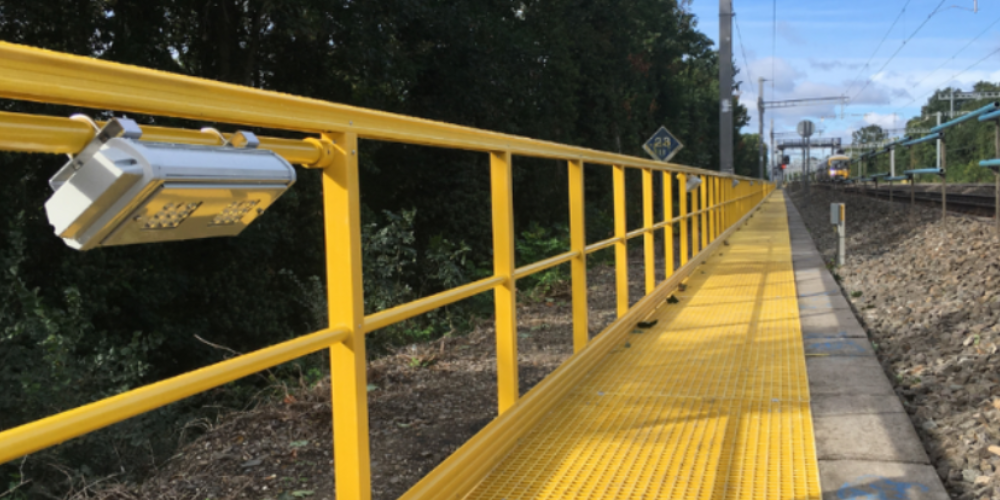
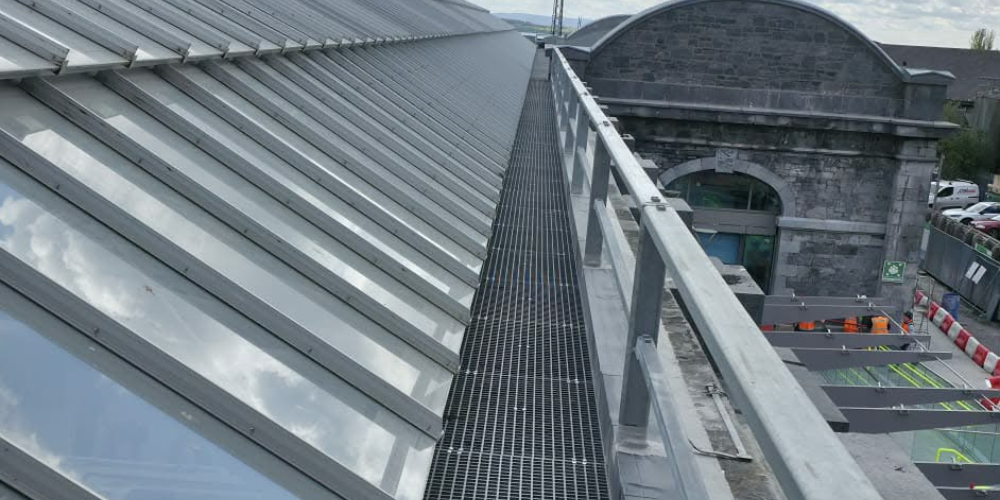
GRP walkways offer a lightweight, durable alternative that can be installed efficiently while reducing the ongoing maintenance burden associated with traditional materials.
Energy and Utilities
Substations and critical infrastructure assets benefit from the combination of corrosion resistance, low maintenance requirements and non-conductive properties that GRP provides.
Data Centres
Few environments place a greater emphasis on reliability than modern data centres.
With facilities operating around the clock, maintenance activities must be carefully managed to minimise disruption and reduce operational risk.
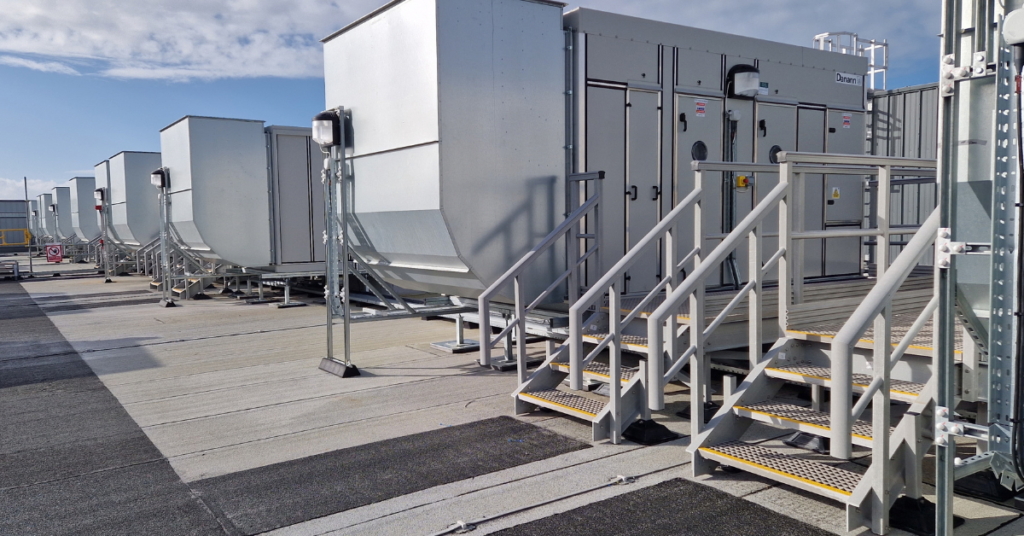
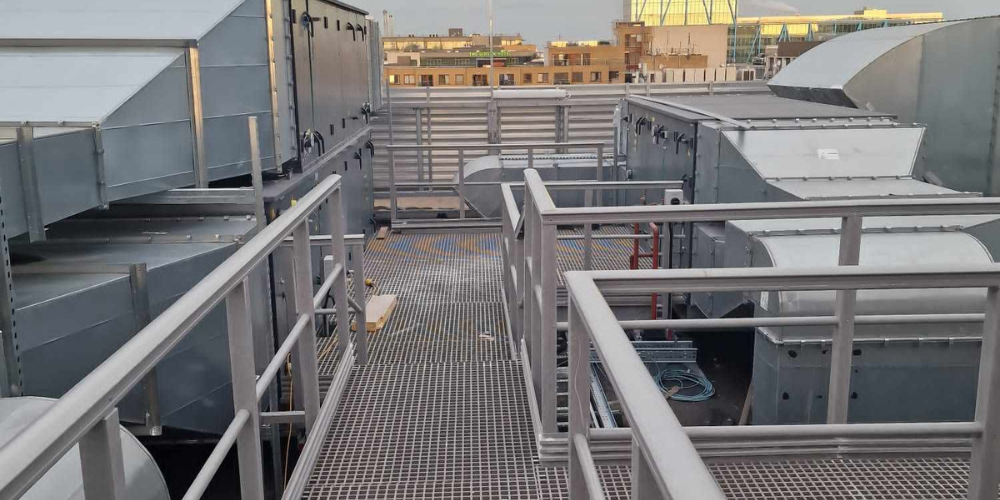
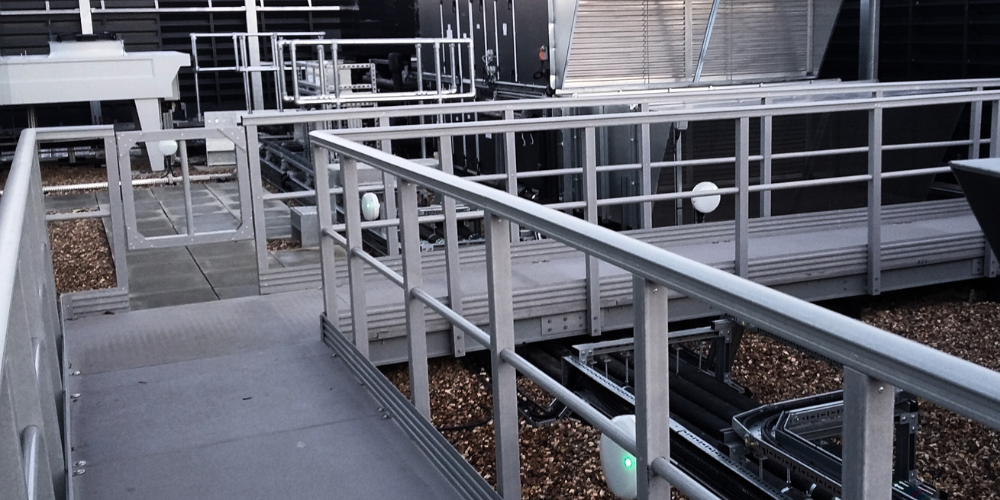
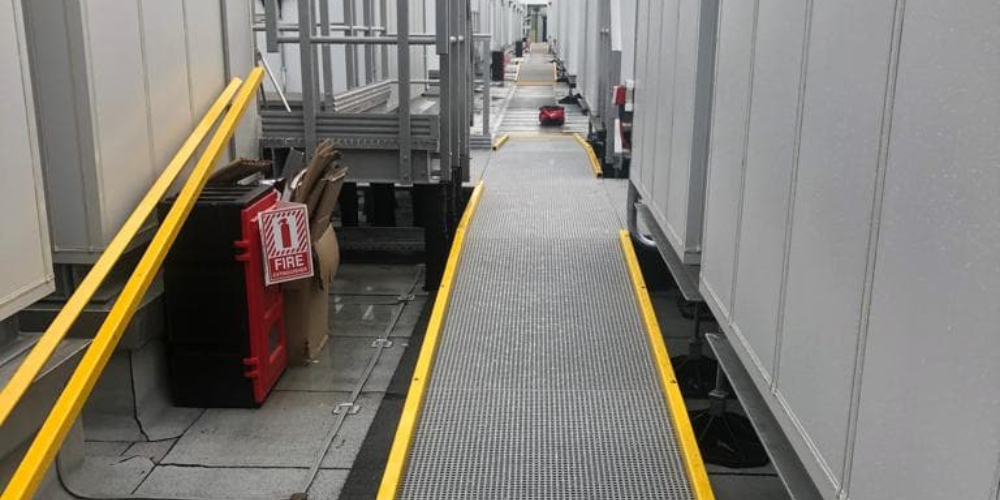
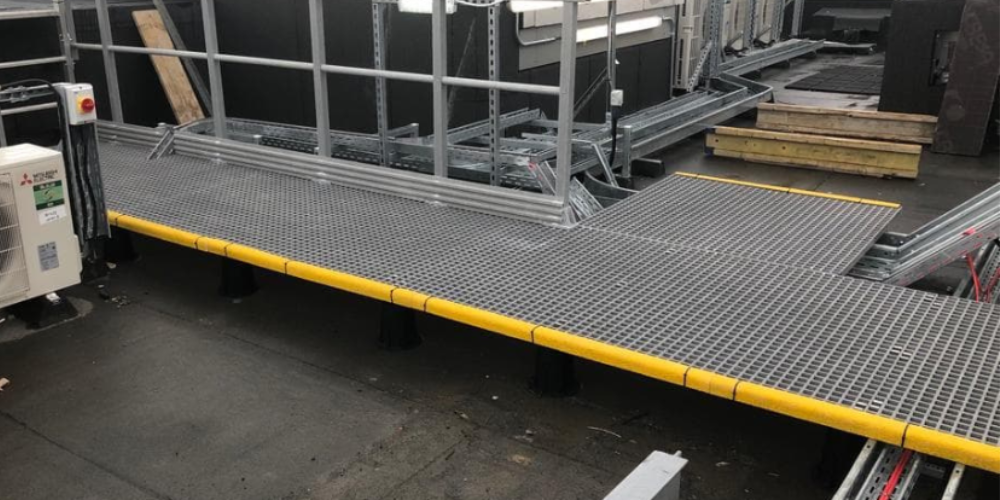
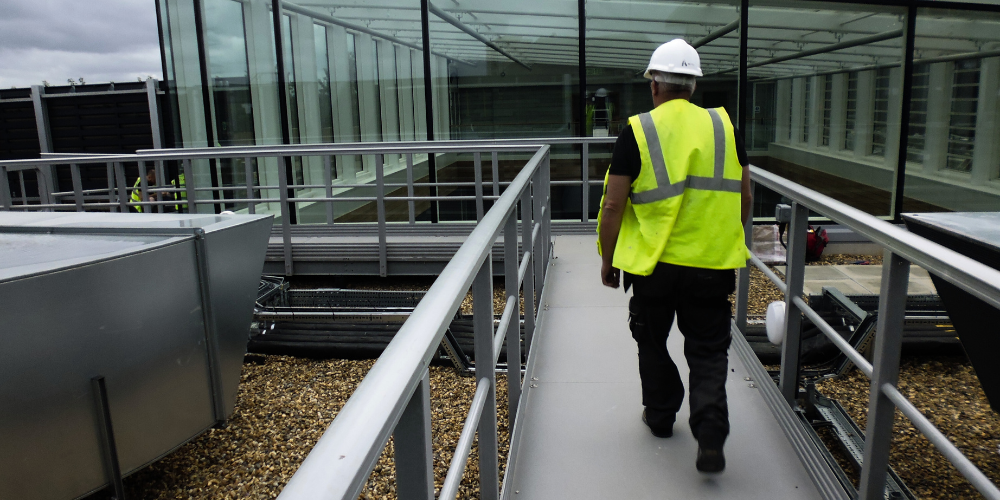
GRP walkways are increasingly being specified for rooftop plant areas, cooling infrastructure, external access routes and service platforms due to their durability, corrosion resistance, non-conductivity, and minimal maintenance requirements.
The lightweight nature of GRP also simplifies installation around sensitive equipment while reducing structural loading on rooftop environments.
For operators focused on uptime, maintenance-free access infrastructure is becoming an increasingly attractive proposition.
High-Rise Buildings
The growth of high-rise residential, commercial and mixed-use developments is creating new challenges for facilities managers and building owners.
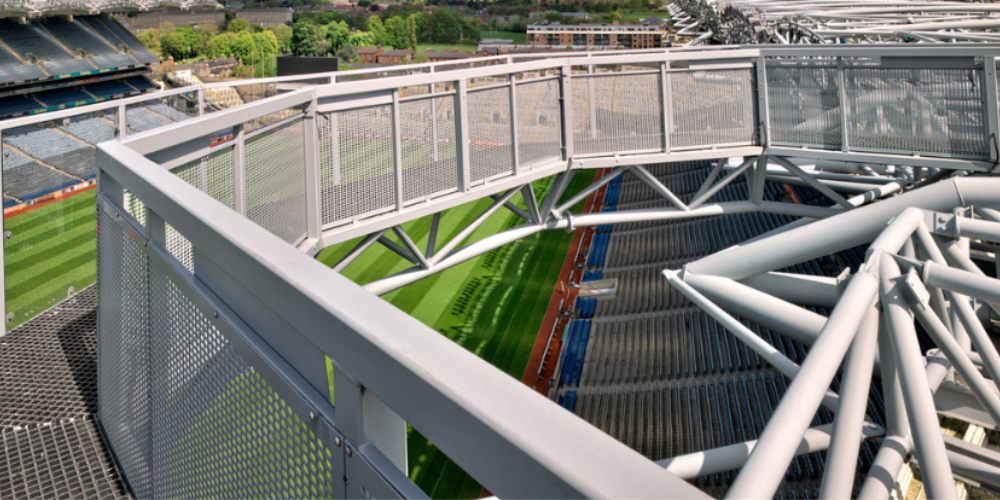
Rooftop plant areas, maintenance walkways and service access routes must remain safe and functional for decades despite exposure to the elements.
GRP offers a practical solution by providing:
- Low structural weight
- Excellent slip resistance
- Corrosion-free performance
- Minimal maintenance requirements
- Long-term durability
For building owners, this translates into fewer maintenance interventions, lower operational disruption and more predictable lifecycle costs throughout the life of the building.
GRP = Safety That Lasts
Maintaining safety performance over the lifespan of an asset is just as important as reducing maintenance requirements.
As traditional materials age, corrosion and deterioration can create safety risks, increase inspection requirements and trigger costly remedial works.
GRP walkways help maintain safe access by providing:
Consistent Slip Resistance
Integrated anti-slip surfaces provide reliable grip in wet, oily and exposed environments, helping reduce the risk of slips and falls.
Corrosion-Free Performance
Because GRP does not rust, walkway surfaces remain structurally reliable and visually consistent over time.
Non-Conductive Properties
GRP does not conduct electricity, making it particularly valuable in utility, power generation and electrical infrastructure applications.
Lightweight Installation
Being significantly lighter than traditional materials, GRP can often be installed more efficiently while reducing lifting requirements and handling risks.
Lifecycle Cost Comparison: GRP Walkways vs Steel Walkways
While maintenance reduction is often the primary reason organisations choose GRP, the financial benefits become even clearer when viewed across the entire asset lifecycle.
The comparison below highlights the factors that contribute to long-term ownership costs.
| Cost Factor | Steel Walkway | GRP Walkway |
| Material Transport | Higher due to weight | Lower due to lightweight construction |
| Installation Labour | Higher | Lower |
| Welding & Hot Works | Often Required | Not Required |
| Protective Coatings | Required | Not Required |
| Corrosion Repairs | Ongoing | None |
| Repainting & Recoating | Recurring | None |
| Shutdowns for Maintenance | Regular | Minimal |
| Replacement Components | Periodic | Rare |
| Maintenance Budget Requirement | Continuous | Minimal |
| Whole-Life Cost | Variable and Increasing | Predictable and Low |
Importantly, this comparison does not simply reflect maintenance savings.
As steel prices continue to face upward pressure and labour costs rise across the construction and infrastructure sectors, the financial advantages of low-maintenance materials become increasingly significant.
For many projects, GRP is no longer simply a lower-maintenance alternative. It is becoming the lower-risk option from both an operational and financial perspective.
GRP Walkways – Supporting Smarter Asset Management
Infrastructure owners are increasingly measured on long-term performance rather than short-term procurement decisions.
Success is no longer defined solely by the cost of installation. Instead, organisations are evaluating assets based on:
- Reliability
- Operational availability
- Safety performance
- Maintenance burden
- Whole-life cost
- Long-term resilience
GRP aligns with each of these objectives.
By eliminating many of the maintenance activities traditionally associated with access infrastructure, organisations can redirect resources towards higher-value operational priorities rather than routine repair programmes.
Looking Beyond Installation Costs
The infrastructure sector is entering an era where maintenance efficiency matters more than ever.
Ageing assets, labour shortages, rising costs and increasing operational demands are forcing organisations to rethink traditional approaches to asset design.
In this environment, maintenance-free infrastructure is no longer a luxury. It is becoming a necessity.
Whether installed at a wastewater treatment works, a rail network, a coastal defence asset, a hyperscale data centre or a high-rise commercial development, GRP walkways provide a solution designed for long-term performance rather than short-term maintenance cycles.
For asset owners seeking safer, more reliable and more cost-effective infrastructure, the future of access systems is increasingly clear: build once, maintain less and perform for decades.
Talk to the Experts