GRP Palisade Fencing: A Durable Solution for Industrial Security and Critical Infrastructure
Discover how GRP palisade fencing provides a corrosion-resistant, non-conductive alternative to traditional metal fencing for industrial sites, electrical substations and demanding infrastructure environments.
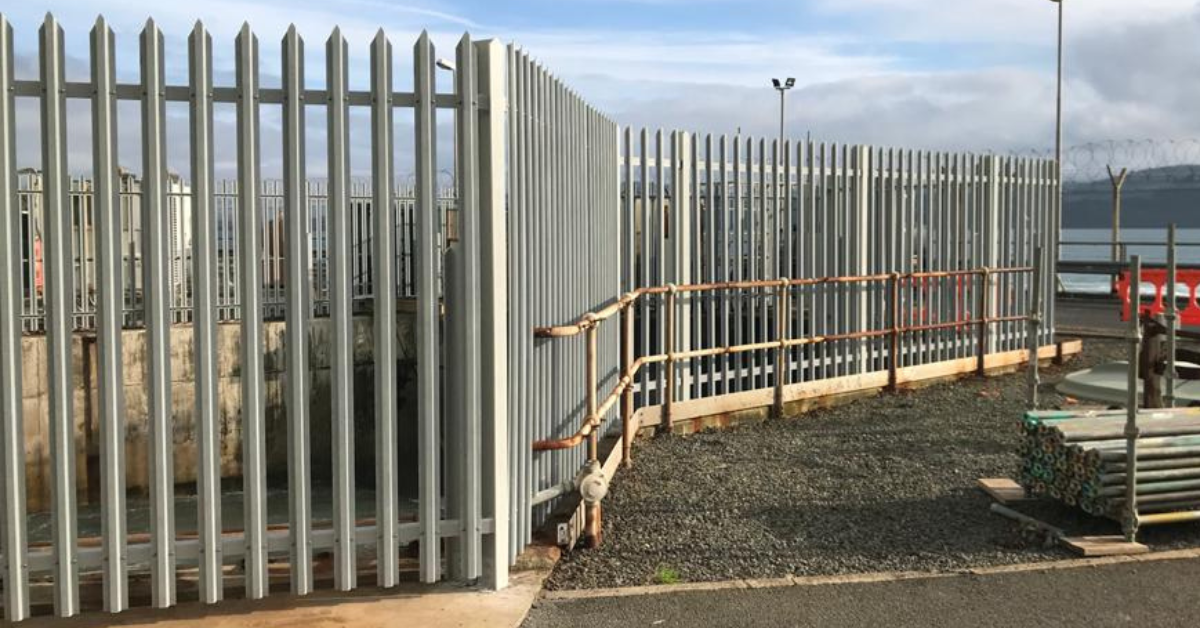
Choosing the right industrial fencing is essential for protecting facilities, defining site boundaries and meeting the operational requirements of critical infrastructure. While traditional steel palisade fencing remains widely used, Glass Reinforced Plastic (GRP) fencing offers an alternative for environments where corrosion resistance, electrical properties and ease of installation are important considerations.
Relinea’s GRP palisade fencing combines lightweight construction with durability and non-conductive properties, making it suitable for a range of industrial security fencing and perimeter protection applications.
What Is GRP Palisade Fencing?
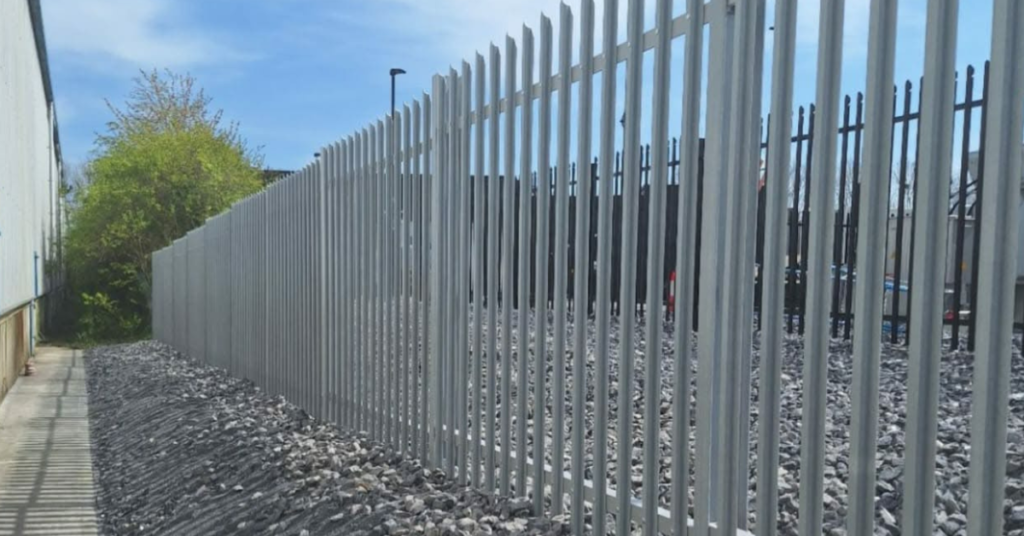
GRP palisade fencing is a type of composite security fencing manufactured from glass-reinforced plastic. It is designed to provide a durable perimeter barrier while offering material properties that differ from conventional steel fencing.
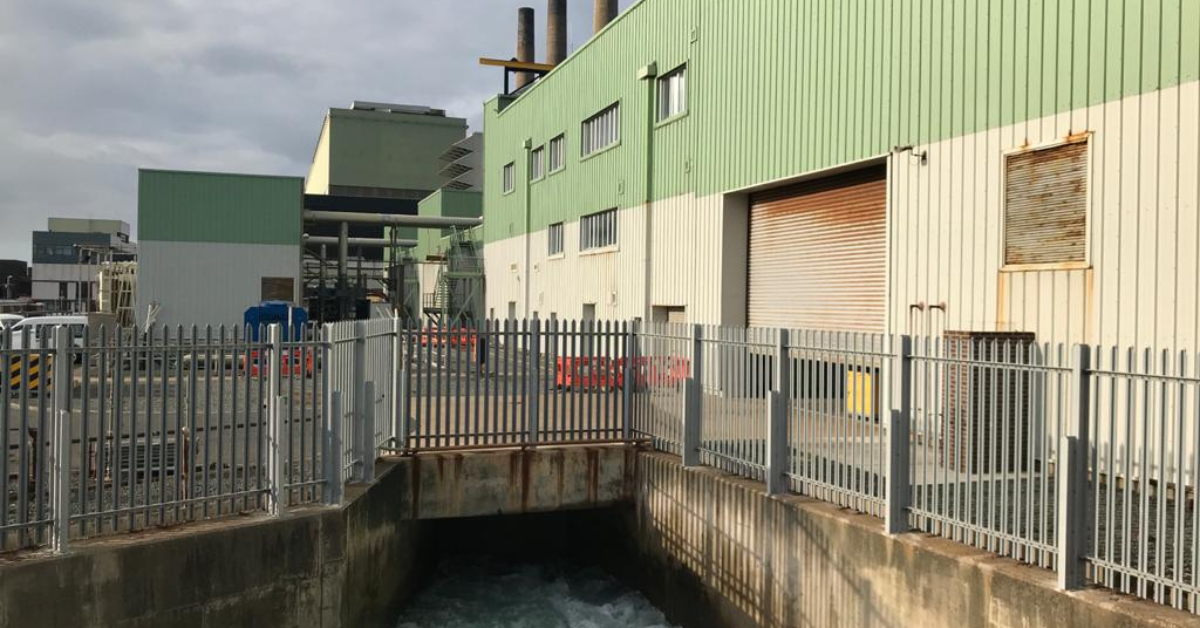
Unlike steel, GRP does not rust and is electrically non-conductive. These characteristics make GRP fencing particularly relevant to electrical substations, rail infrastructure, water treatment plants and industrial facilities exposed to demanding environmental conditions.
For engineers, contractors and site operators looking for an alternative to metal palisade fencing, GRP provides another option to consider when specifying industrial perimeter fencing.
The Benefits of GRP Security Fencing
-
Corrosion-Resistant Fencing for Demanding Environments
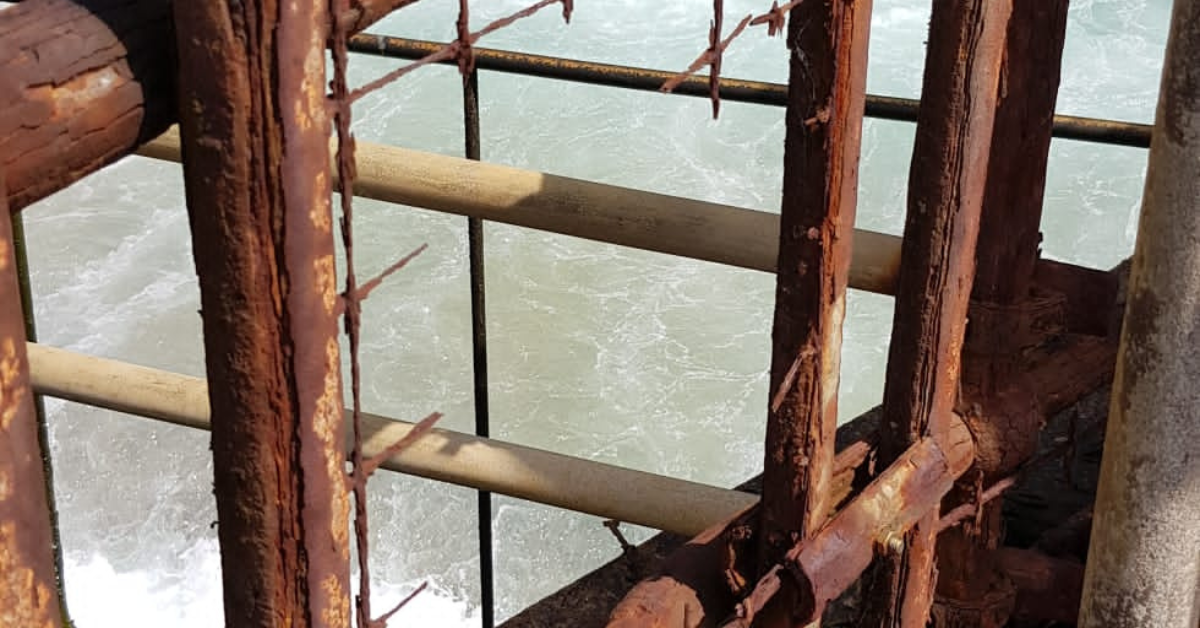
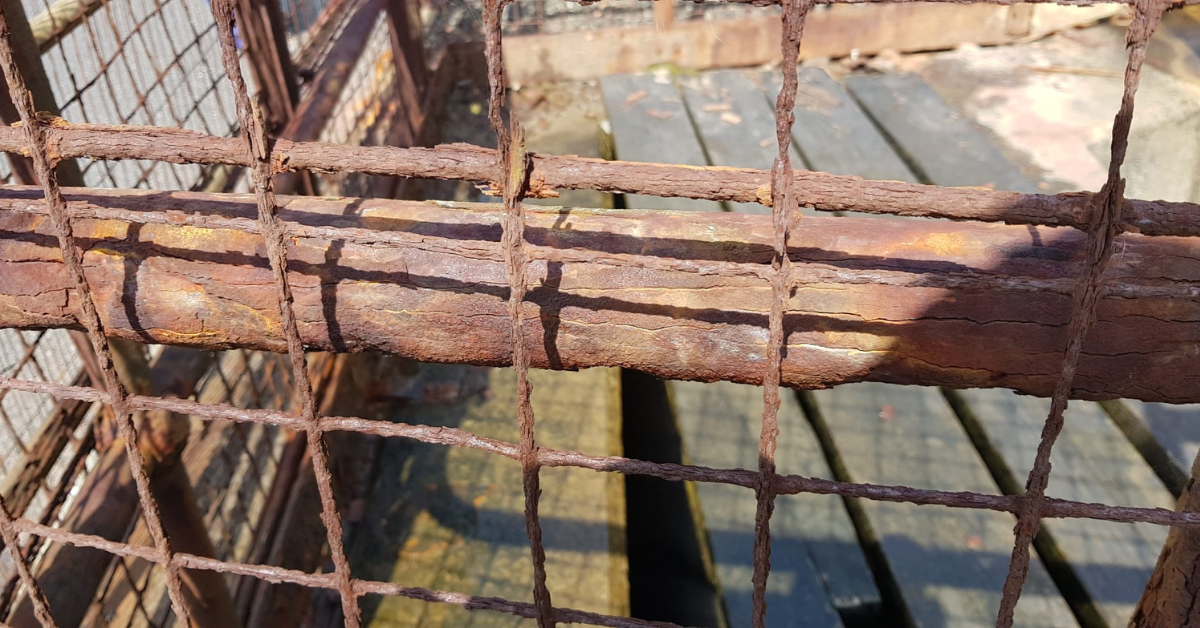
Corrosion can be a significant consideration when selecting outdoor security fencing, particularly at coastal sites, wastewater treatment facilities and industrial locations exposed to moisture or corrosive substances.
GRP is resistant to rust and offers durability in many demanding environments. Depending on the application and material specification, this can help reduce corrosion-related maintenance compared with conventional steel fencing.
For organisations responsible for long-term site maintenance, corrosion-resistant GRP fencing may offer practical whole-life benefits.
-
Non-Conductive Fencing for Electrical Substations
Electrical safety is an important consideration when specifying fencing around power generation facilities, substations and other electrical infrastructure.
GRP is electrically non-conductive, making it a material worth considering for specialist electrical fencing applications. Unlike conventional conductive metal fencing, GRP does not conduct electricity in the same way, although the complete installation must still be designed and assessed in accordance with the relevant electrical safety requirements.
Relinea’s GRP palisade fencing provides an option for contractors and engineers seeking non-conductive perimeter fencing for suitable electrical environments.
-
Lightweight Industrial Fencing for Easier Installation
Installation requirements can influence the overall cost, programme and logistics of an industrial fencing project.
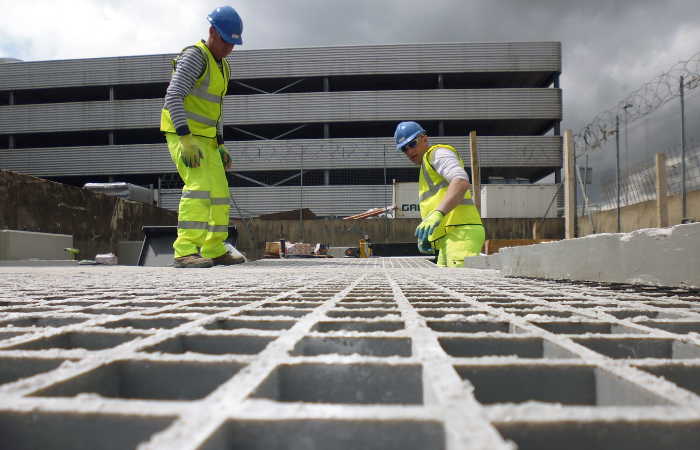
Relinea’s GRP palisade fencing is up to 80% lighter than steel. Its pre-assembled panel design is intended to simplify handling and installation, while avoiding the need for welding the fencing panels together.
These features can help contractors working in restricted spaces, difficult-to-access locations or operational facilities where installation activities need careful planning.
-
Low-Maintenance Perimeter Fencing
Maintaining outdoor security fencing can involve inspections, repairs and corrosion protection, depending on the material and environmental conditions.
GRP’s resistance to rust can reduce the need for corrosion-related treatments associated with steel fencing. This makes it an option for sites where access is difficult or where ongoing maintenance activities need to be minimised.
When comparing industrial fencing systems, project teams should consider the initial purchase price alongside installation costs, maintenance requirements and expected service life.
Applications for GRP Palisade Fencing
GRP security fencing can be considered for a variety of industrial and infrastructure applications, including:
- Electrical substations and power facilities: Where non-conductive fencing materials may be appropriate.
- Water and wastewater treatment plants: Where moisture and corrosive conditions can affect conventional fencing.
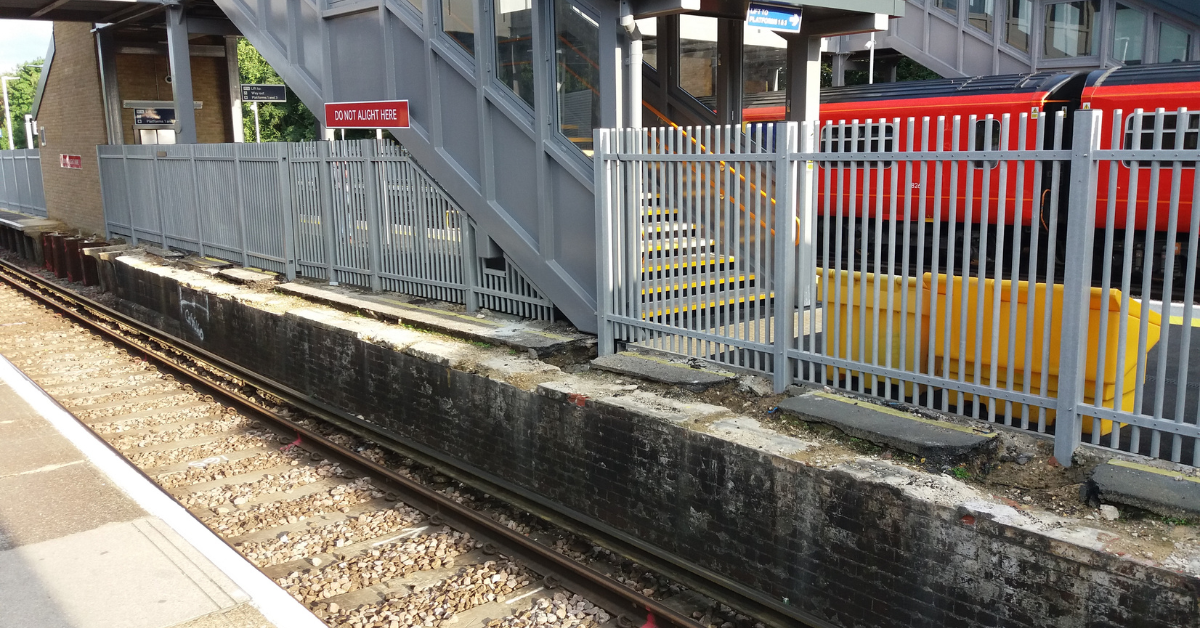
- Railway infrastructure: For suitable operational and perimeter applications.
- Chemical processing facilities: Where material compatibility and resistance to specific environmental exposures must be assessed.
- Coastal and marine environments: Where salt exposure can accelerate corrosion in conventional metal fencing.
- Industrial sites and utility facilities: Where durable perimeter fencing and reduced maintenance requirements are priorities.
The suitability of GRP fencing depends on the security requirements, site conditions, design and applicable standards for each project.
GRP Palisade Fencing in Practice: A Substation Project in Kilkenny
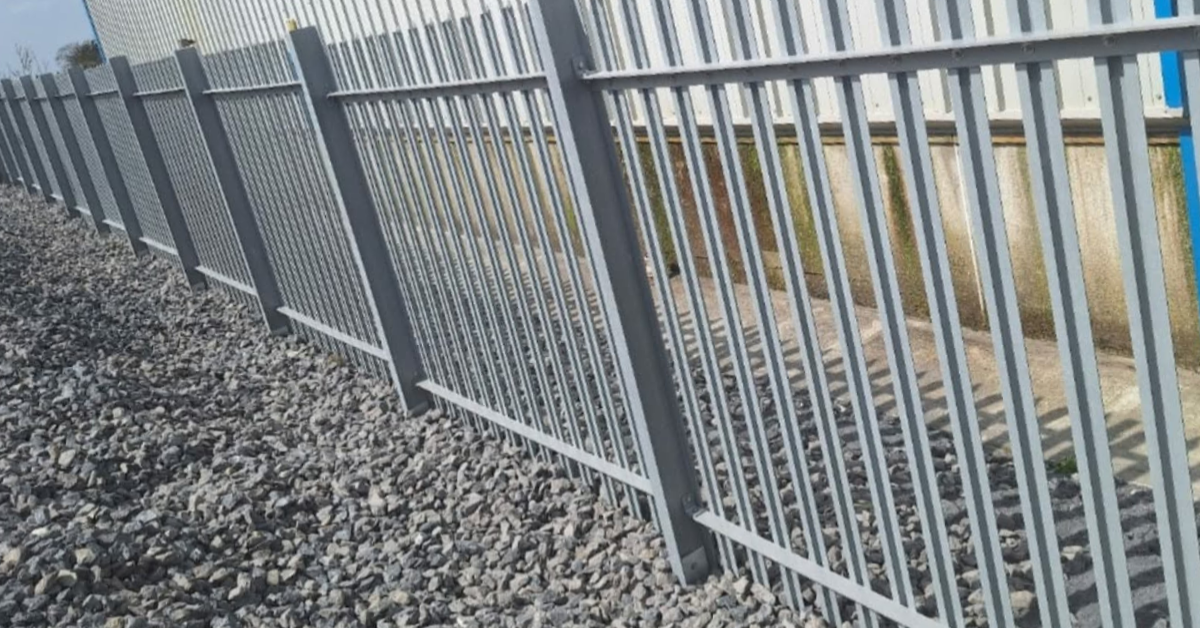
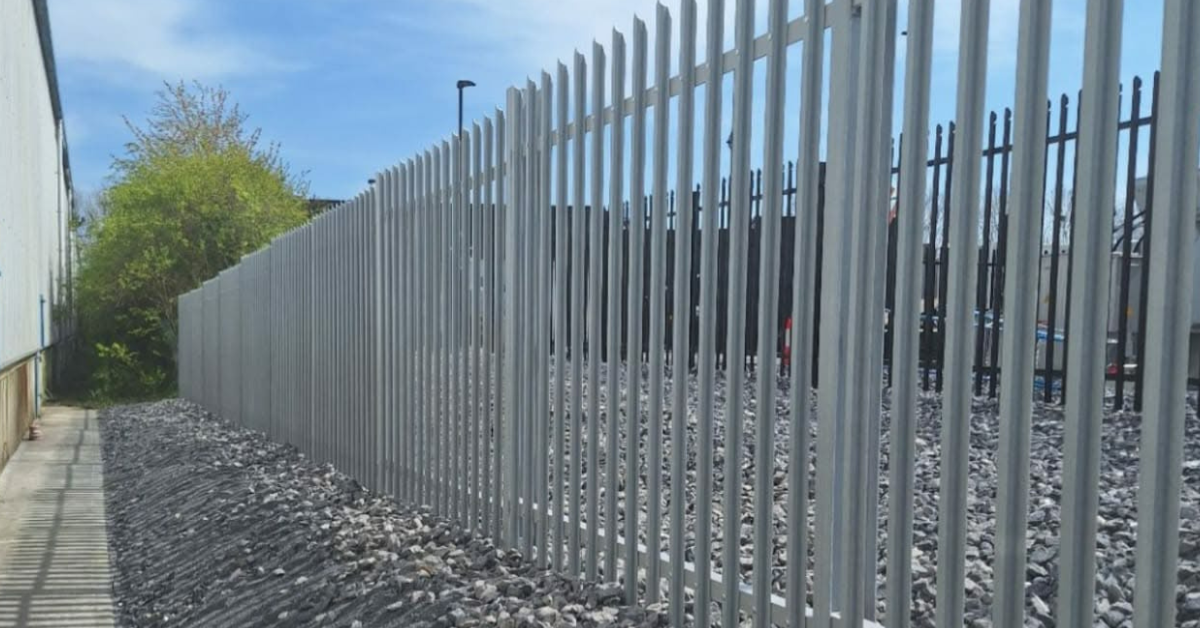
Relinea has supplied and installed GRP palisade fencing for a substation project in Kilkenny, Ireland, working with John Paul Construction.
The project involved 46 metres of GRP palisade fencing designed for an electrical infrastructure environment. It provides a practical example of how GRP fencing can be incorporated into a specialist perimeter protection project.
Read more about the installation in our Substation GRP Palisade Fencing case study.
GRP Fencing vs Steel Palisade Fencing: What Should You Consider?
Both GRP and steel palisade fencing can have a role in industrial perimeter protection. The most appropriate option depends on the project’s technical requirements and operating environment.
When comparing GRP fencing with steel security fencing, consider:
- Electrical properties: GRP is non-conductive, whereas steel is electrically conductive.
- Corrosion resistance: GRP does not rust, while steel may require appropriate corrosion protection and maintenance.
- Installation: Lightweight GRP panels may simplify handling, depending on the system and site.
- Security requirements: Fence height, design, access control and resistance to climbing or impact must meet the specific site requirements.
- Whole-life costs: Compare supply, installation, inspection, maintenance and expected service life.
Evaluating these factors at the design stage helps project teams select fencing that meets their operational needs rather than focusing on initial cost alone.
Specify GRP Palisade Fencing with Relinea
For projects requiring industrial fencing, security fencing or specialist perimeter protection, GRP offers an alternative to conventional metal fencing in suitable applications.
Relinea provides GRP palisade fencing solutions for demanding industrial and infrastructure environments, with options tailored to individual project requirements.
Whether you are specifying fencing for an electrical substation, a water treatment facility or another industrial site, Relinea can help you explore suitable GRP fencing options.
Contact the team today to discuss your project requirements.