GRP vs Steel in Wastewater: What Should the Designer Consider?
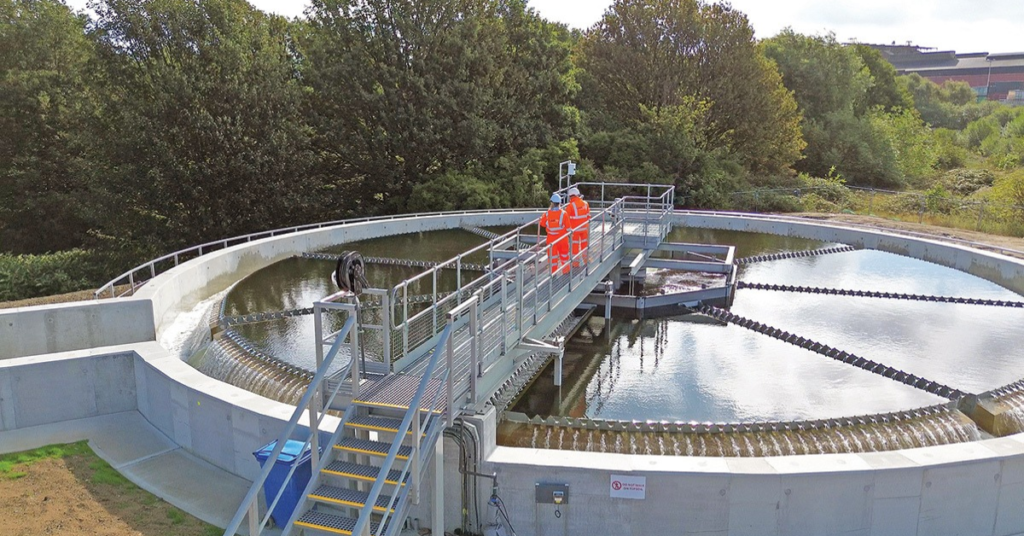
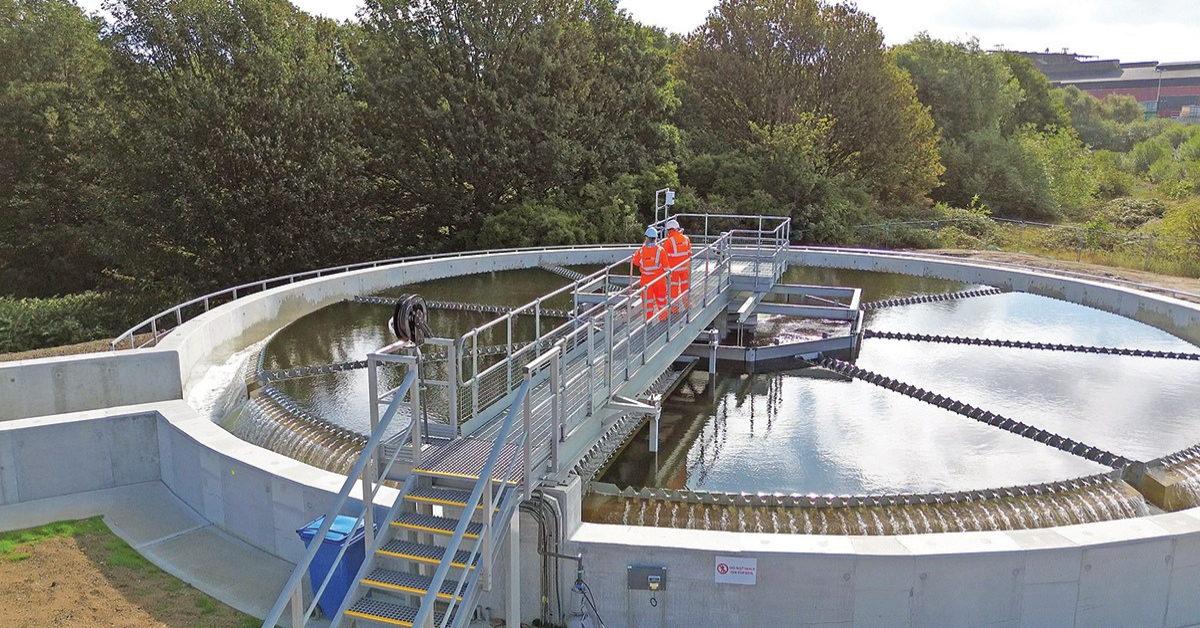
Wastewater infrastructure operates in some of the most aggressive environments in the built environment. Corrosive gases, chemical exposure, moisture and demanding operating conditions place significant pressure on the materials used in pipes, covers, access systems and structural components.
For decades, steel has been a familiar choice for wastewater applications. However, advances in glass-reinforced plastic (GRP) technology have given designers a lightweight, corrosion-resistant alternative that offers substantial advantages in installation, maintenance and long-term performance.
GRP is 75% lighter than steel, does not corrode like steel and reduces the burden of ongoing corrosion protection. For wastewater projects where durability, installation efficiency and whole-life cost matter, GRP deserves serious consideration from the outset.
So, what should designers consider when comparing GRP and steel, and why is GRP increasingly well suited to the demands of modern wastewater infrastructure?
Read or download our handy design guide, which highlights the main points from our article below.
-
Corrosion resistance: a fundamental advantage of GRP
Corrosion is one of the most significant challenges in wastewater infrastructure. Hydrogen sulphide (H₂S), moisture and the formation of sulphuric acid can attack exposed materials, particularly in sewer networks, pumping stations, treatment facilities and enclosed wastewater environments.
Steel requires effective corrosion protection to withstand these conditions. Depending on the application, this can involve galvanising, protective coatings, specialist linings or other surface treatments. These systems require appropriate specification, inspection and maintenance throughout the asset’s service life. Damage to a protective layer can expose the underlying steel to corrosion.
GRP offers a different approach. Its corrosion resistance is inherent in the composite material system rather than dependent on a conventional external coating to protect steel from its environment.
When manufactured with a suitable resin system and laminate construction, GRP withstands many of the aggressive chemical conditions encountered in wastewater applications. This makes it particularly attractive for components exposed to corrosive atmospheres, damp environments and chemical attack.
The result is a material that helps designers reduce corrosion-related maintenance, avoid many of the challenges associated with protective coatings and deliver reliable long-term performance.
For wastewater environments where corrosion is a constant concern, GRP offers a clear practical advantage over unprotected steel and steel systems that rely on maintained corrosion-protection layers.
-
Weight: 75% lighter than steel
Weight has a direct impact on transportation, handling, lifting and installation. In wastewater projects, where access is often restricted and work may take place around existing operational infrastructure, reducing component weight can make a significant difference.
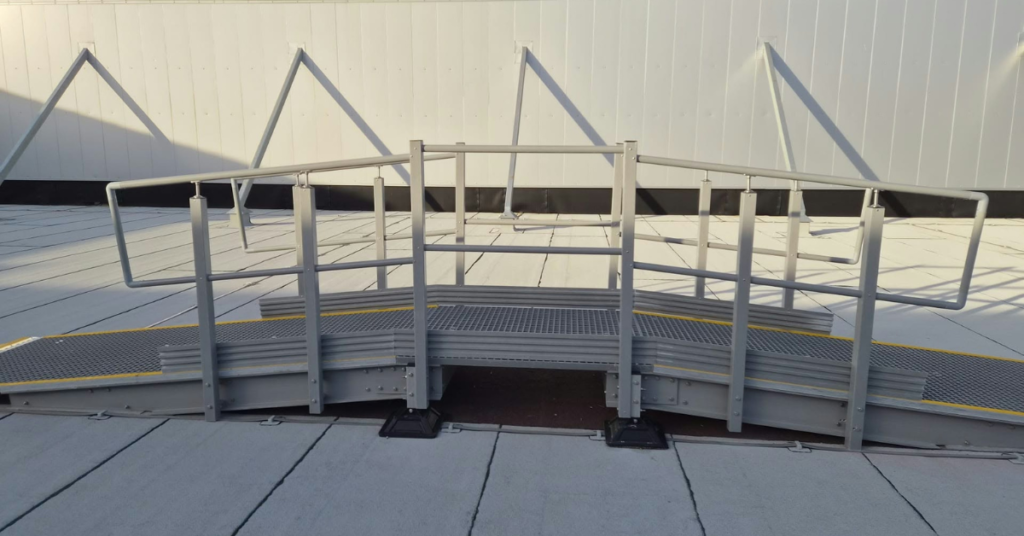
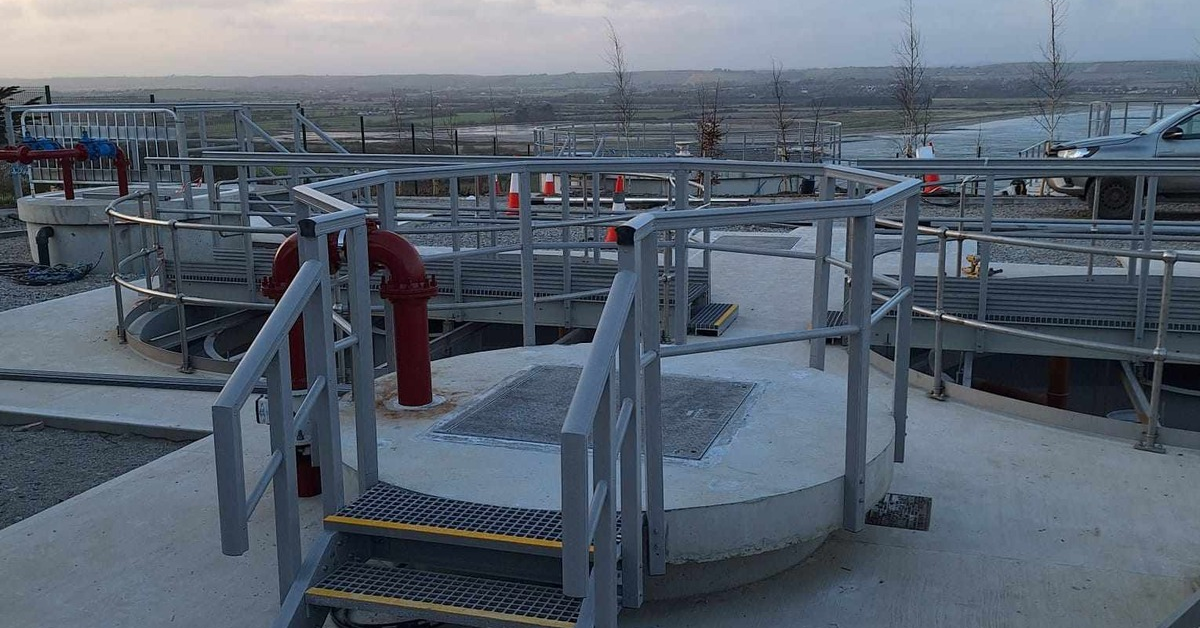
GRP components are 75% lighter than steel. This substantial weight reduction makes components easier to transport, handle and position, while reducing lifting demands and simplifying installation logistics.
For designers and contractors, the benefits extend throughout the construction process:
- Simpler handling: lighter components are easier to manoeuvre, particularly in confined spaces and restricted-access sites.
- Reduced lifting requirements: lower component weights can reduce demands on lifting equipment and lifting operations, subject to the project-specific lifting assessment.
- More efficient installation: lighter materials are easier to position and assemble, helping streamline site activities.
- Improved retrofit practicality: GRP is particularly attractive when replacing existing components in operational facilities where access, space and disruption are key constraints.
Steel’s greater weight can introduce additional transport, lifting and handling demands. GRP reduces these challenges while delivering engineered performance suited to the application.
For projects where installation access is difficult or construction time is critical, this weight advantage is more than a material specification detail. It is a practical benefit that can influence the overall efficiency of the project.
-
Installation efficiency and reduced site complexity
Material selection affects more than the finished asset. It also determines how efficiently the installation can be delivered.
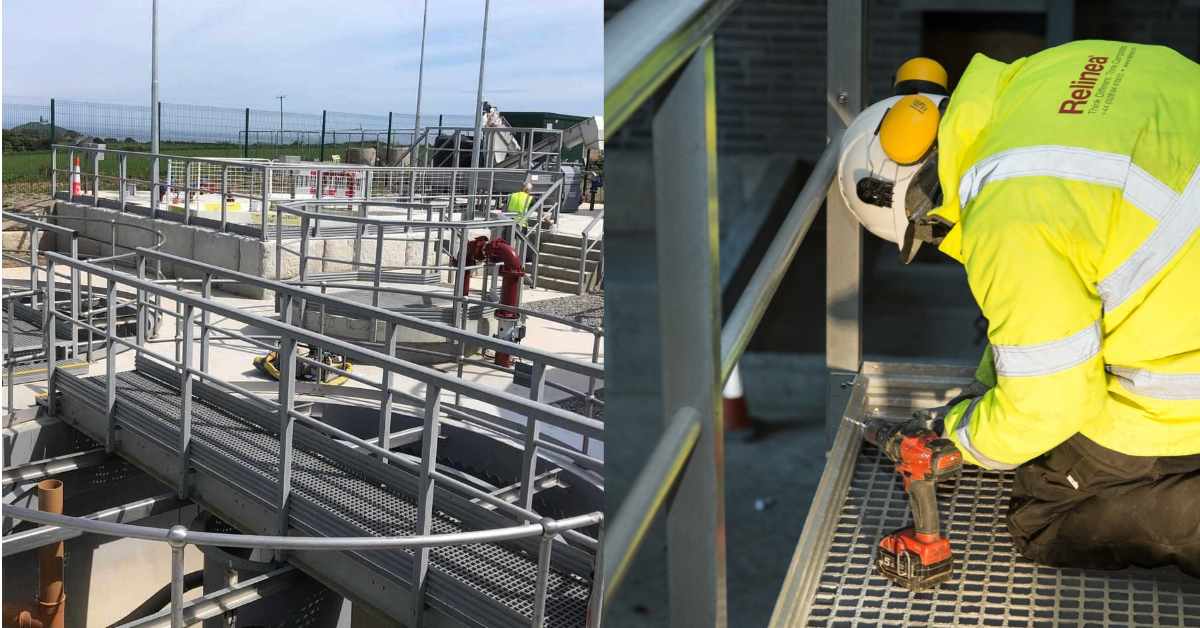
GRP’s lightweight construction makes components easier to handle and position, helping simplify installation in pumping stations, treatment works, underground structures and refurbishment projects.
Depending on the system, GRP components can be manufactured to defined dimensions and supplied as prefabricated assemblies. This supports planned installation, reduces the need for extensive on-site fabrication and helps minimise disruption to surrounding operations.
Steel installations can involve additional activities such as welding, surface preparation and protective coating repairs, depending on the design and site conditions. Where corrosion protection is required, the quality and continuity of the protective system must also be maintained during fabrication and installation.
GRP can reduce reliance on these activities, helping create a more straightforward installation process.
In live wastewater facilities, where access restrictions, health and safety requirements and operational continuity are important, a material that simplifies handling and reduces site work offers a meaningful advantage.
By considering GRP early in the design process, engineers can account for its lower weight and installation characteristics when developing access arrangements, lifting plans and construction programmes.
-
Structural performance: engineering strength without unnecessary weight
A material must deliver the required structural performance, regardless of its weight or corrosion resistance.
Steel is well established in structural engineering and offers high stiffness, strength and flexibility in fabrication. However, these properties do not mean steel is automatically the most appropriate material for every wastewater application.
GRP delivers a high strength-to-weight ratio, allowing components to meet defined structural requirements without the weight associated with comparable steel components.
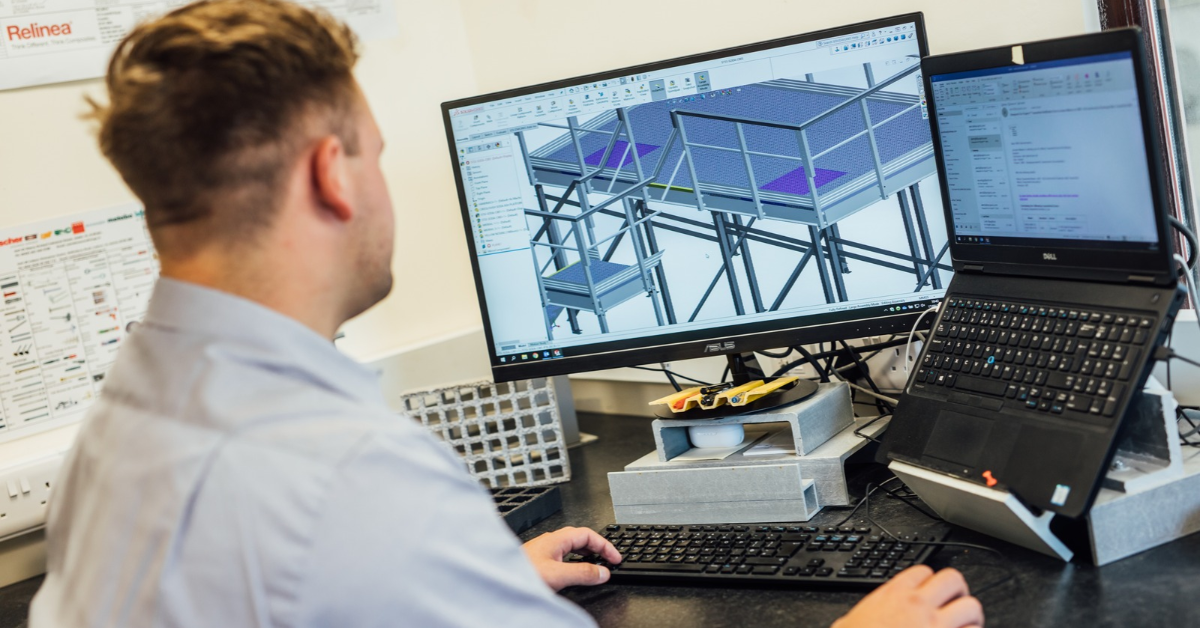
Its performance is engineered through fibre orientation, laminate thickness, resin selection and component geometry. This allows GRP products to be designed around specific loading conditions and functional requirements.
For wastewater designers, the important considerations include:
- Applied loads and load combinations.
- Deflection and stiffness requirements.
- Buckling and stability.
- Support arrangements and connection details.
- Chemical exposure and operating temperature.
- Applicable design standards and verification requirements.
GRP behaves differently from steel and must be designed using appropriate composite-material principles. Its directional properties, laminate construction, and connection details must be accounted for in the design.
When these factors are addressed correctly, GRP provides a practical combination of structural performance, low weight and corrosion resistance.
The key advantage is not that GRP replaces steel in every structural application. Instead, GRP lets designers achieve the required performance in suitable applications without accepting the added weight and corrosion-management demands of steel.
-
Maintenance and whole-life cost
The initial purchase price does not tell the whole story of a wastewater asset’s cost.
Over its service life, a steel component exposed to corrosive conditions may require coating inspections, protective-system repairs, refurbishment and eventual replacement. These activities carry direct costs and can also introduce access challenges, operational disruption and downtime.
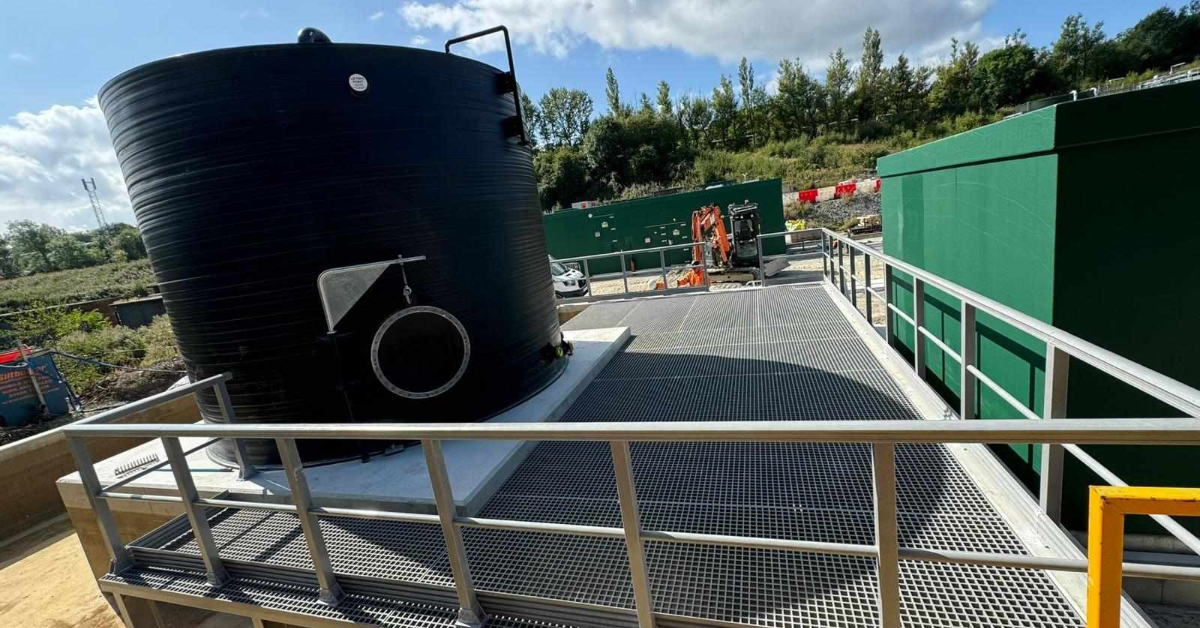
GRP reduces this corrosion-related maintenance burden. Because it does not corrode like conventional steel, it avoids many of the recurring interventions associated with maintaining steel corrosion-protection systems.
Its lower weight can also reduce handling and installation costs, while prefabricated components can help simplify site work.
For asset owners and designers, the benefits include:
- Reduced expenditure on corrosion protection.
- No maintenance interventions.
- Lower handling and lifting demands during installation.
- Reduced disruption associated with corrosion repairs.
- Improved predictability of maintenance requirements.
A whole-life cost assessment should account for installation, corrosion protection, inspection, maintenance, refurbishment and replacement — not just the initial material price. In aggressive wastewater environments, GRP’s combination of corrosion resistance and low weight can make it a highly attractive long-term investment.
-
Chemical resistance and material selection
Wastewater is not a uniform environment. Chemical concentrations, temperatures, exposure durations and operating conditions vary between sewer networks, pumping stations and treatment processes.
GRP provides strong resistance to many chemicals encountered in wastewater infrastructure, but the correct material specification is essential. Resin type, laminate construction and manufacturing quality determine the suitability of the finished component for its intended environment.
Designers should verify compatibility against the actual chemical exposure, including hydrogen sulphide-related conditions where relevant, cleaning agents and any process-specific chemicals.
Steel can also be specified for demanding chemical environments, but its suitability often depends on selecting the appropriate grade and protective system. This can add complexity to the specification and ongoing maintenance strategy.
GRP’s advantage is the ability to combine structural performance with material-level corrosion resistance, reducing dependence on conventional external protection.
By specifying the correct GRP system for the operating conditions, designers can deliver a durable solution tailored to the wastewater environment.
-
Sustainability and environmental impact
Sustainability is an increasingly important consideration in infrastructure design. Material selection influences embodied carbon, transportation, maintenance, service life and end-of-life management.
GRP’s 75% lower weight than steel can reduce transportation and handling demands, although the actual carbon benefit depends on the supply chain, component design and installation method.
Its corrosion resistance can also reduce the need for protective coatings and corrosion-related refurbishment over the asset’s life. Avoiding repeated maintenance interventions can contribute to lower lifecycle resource consumption.
Steel has an established recycling infrastructure and is widely recovered at the end of its service life. GRP recycling is more challenging because it combines glass fibres with a polymer matrix, and its environmental performance depends on available recovery routes and disposal arrangements.
For this reason, sustainability comparisons should consider the entire asset lifecycle rather than focusing on one material characteristic in isolation.
Designers should assess embodied carbon, expected service life, maintenance requirements, transport distances and end-of-life options using relevant project data.
GRP’s contribution to sustainability is particularly compelling where its lightweight construction and corrosion resistance deliver demonstrable reductions in installation impacts and ongoing maintenance.
At Relinea, we understand that sustainability isn’t just a goal, it’s a measurable commitment. That’s why we are proud to have achieved a third-party verified Environmental Product Declaration (EPD) for our Glass Reinforced Plastic (GRP) Access Platforms. You can download our EPD here.

-
Standards, compliance and specification
The benefits of GRP must be supported by a robust design and specification process.
Designers should confirm that the selected GRP product meets the relevant structural, chemical, dimensional and operational requirements for the intended application. This includes verifying product data, material properties, manufacturing quality, test evidence and compliance with applicable standards.
Steel specifications should similarly define material grades, structural requirements, fabrication quality and corrosion-protection systems.
For both materials, the design should clearly establish the anticipated loads, environmental exposure, operating temperatures, installation conditions and required service life.
GRP should be assessed on its own engineering merits, using appropriate composite design methods rather than being treated simply as a lightweight substitute for steel.
A performance-based specification allows designers to compare solutions objectively while recognising the practical advantages GRP brings to appropriate wastewater applications.
GRP vs steel: the designer’s decision
The choice between GRP and steel should be driven by the demands of the application, but the advantages of GRP are compelling in many wastewater environments.
| Design consideration | GRP | Steel |
| Weight | 75% lighter than steel | Significantly heavier |
| Corrosion | Inherently resistant to wastewater corrosive conditions when correctly specified | Requires suitable corrosion management in corrosive environments |
| Installation | Easier handling and reduced lifting demands | Greater handling and lifting demands |
| Maintenance | 50+ year design life and no reliance on conventional corrosion-protection systems | Protective coatings and linings may require inspection and repair |
| Structural performance | High strength-to-weight ratio; engineered composite design required | High strength and stiffness; established structural design methods |
| Chemical resistance | Strong resistance to many chemicals, subject to resin and exposure conditions | Depends on steel grade and any protective system |
The comparison highlights why GRP deserves to be considered at the earliest design stage. Its combination of low weight, corrosion resistance and reduced reliance on protective coatings can simplify the specification, installation and long-term management of wastewater infrastructure.
Steel remains appropriate for applications where its specific structural properties, fabrication requirements or other project constraints make it the better fit. However, where corrosion, weight and maintenance are significant design challenges, GRP offers a strong alternative.
Conclusion: designing for long-term performance
Choosing the right material for wastewater infrastructure is about more than meeting an immediate structural requirement. It is about delivering reliable performance in a demanding environment while controlling installation complexity, maintenance demands and whole-life cost.
GRP brings together three important advantages: 75% lower weight than steel, inherent resistance to many corrosive wastewater conditions, and reduced reliance on conventional corrosion-protection systems. Together, these characteristics make it an attractive solution for designers seeking durable, efficient and maintainable infrastructure.
By considering GRP from the outset, engineers can take advantage of its lightweight construction, simplify installation and reduce the long-term burden of corrosion management in suitable applications.
For wastewater infrastructure expected to perform reliably for decades, GRP is not simply an alternative to steel. It is a material solution that addresses some of the industry’s most persistent design challenges.
At Relinea, we believe better material choices start with understanding the demands of the environment. By putting performance, durability and practical installation at the centre of the design process, GRP can help deliver wastewater infrastructure built for the long term.
Get in touch today and see how we can help with your next project.
How GRP Helps Reduce Environmental Impact in Water & Wastewater Projects