The Ultimate Guide to Choosing GRP Grating Panels for Your Project
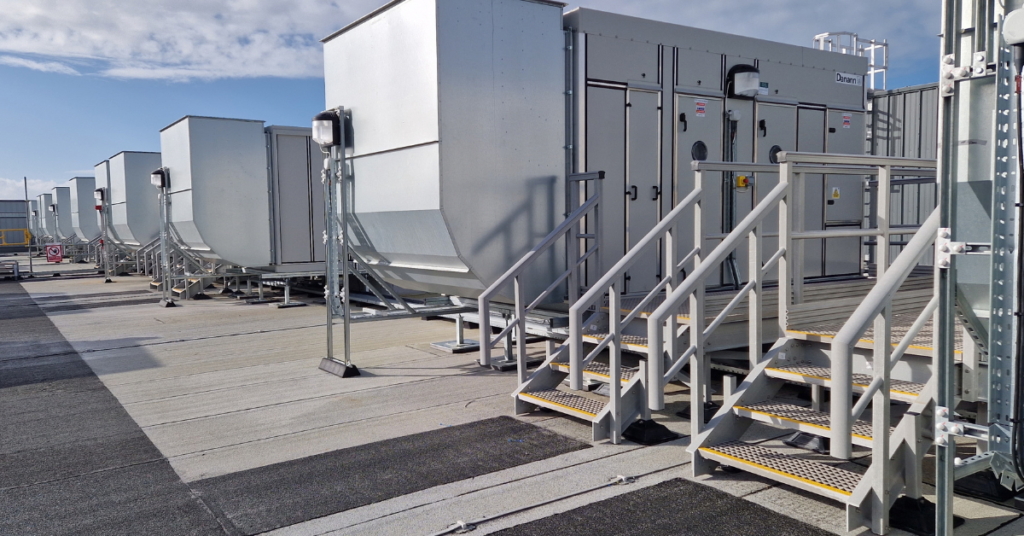
When it comes to industrial flooring solutions, GRP grating panels are a popular choice due to their durability, corrosion resistance, and low maintenance requirements. Whether you’re working on a data centre project, industrial facility, or public walkway, selecting the right GRP grating panel is crucial to ensuring safety and longevity.
However, selecting the correct GRP grating is not always straightforward. Engineers, specifiers, and project managers must consider load requirements, spans, environmental conditions, compliance standards, and long-term performance.
This guide has been developed to provide a comprehensive, practical framework for choosing the right GRP grating panels for your application. It combines technical guidance, industry standards, and real-world considerations to support confident specification.
What Are GRP Grating Panels?
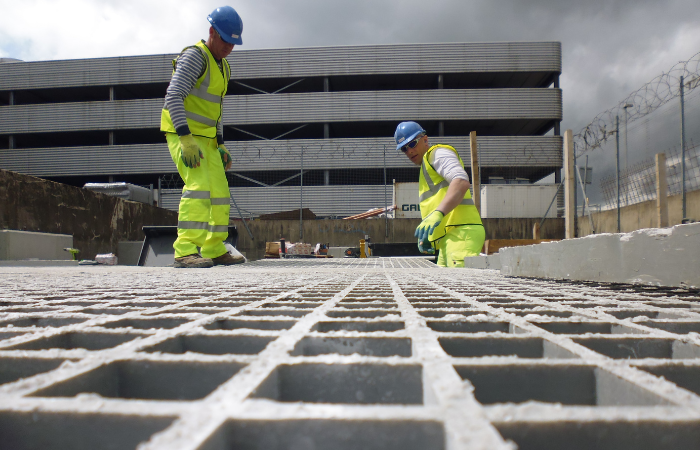
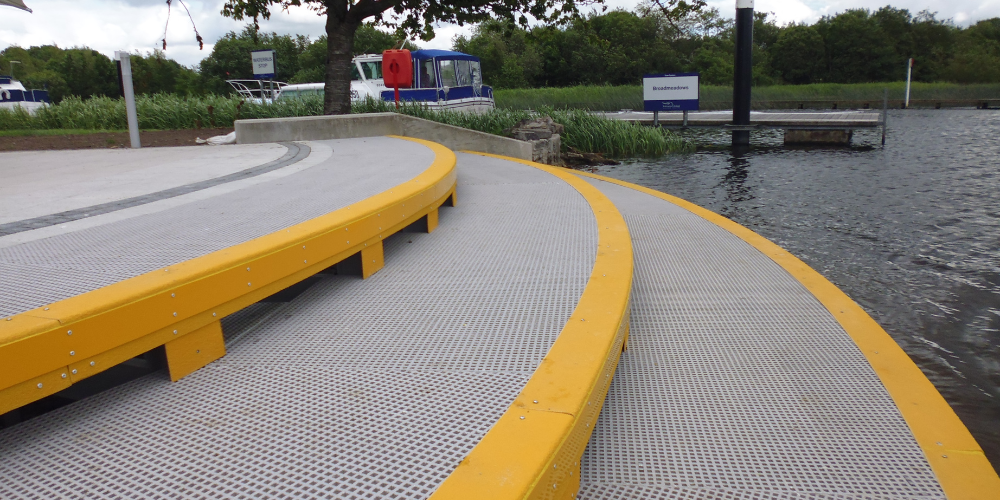
GRP (Glass Reinforced Plastic) grating panels are composite materials made by combining fiberglass with resin. The result is a strong, lightweight, non-conductive and corrosion-resistant panel ideal for a variety of applications, from industrial flooring to walkways and platforms. These panels are available in different configurations, including open mesh grating, mini mesh grating, and solid top grating, each suited to different environments and requirements.
Types of GRP Grating Panels
- Open Mesh Grating Panels
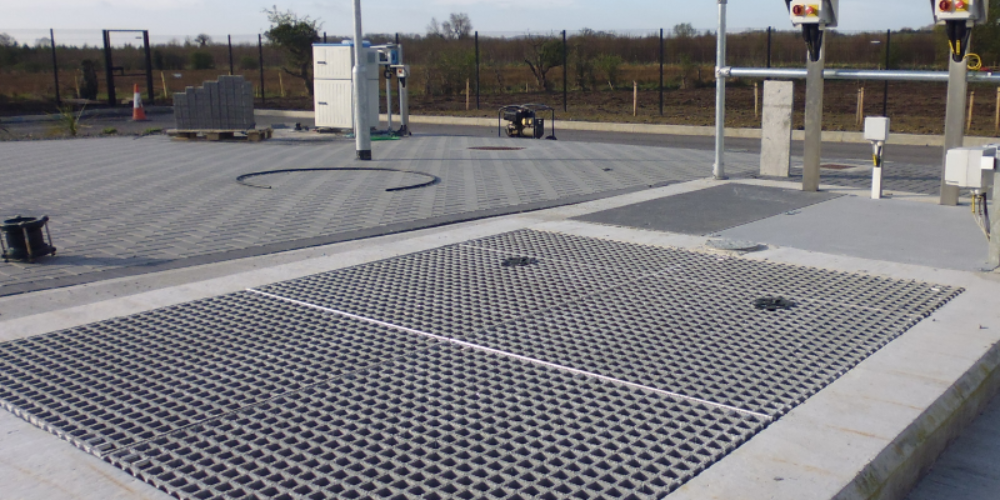
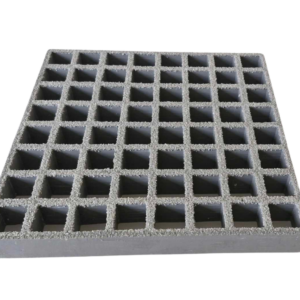
Open mesh grating is the most commonly used type of GRP grating panel. It features a grid-like structure with open spaces that allow liquids, debris, and air to pass through, making it ideal for environments where drainage and ventilation are critical. The open mesh design also provides excellent slip resistance, making it a safe option for walkways and platforms.
- Best For: Walkways, platforms, catwalks, and areas where drainage is essential.
- Explore Our Open Mesh Grating Panels
- Mini Mesh Grating Panels
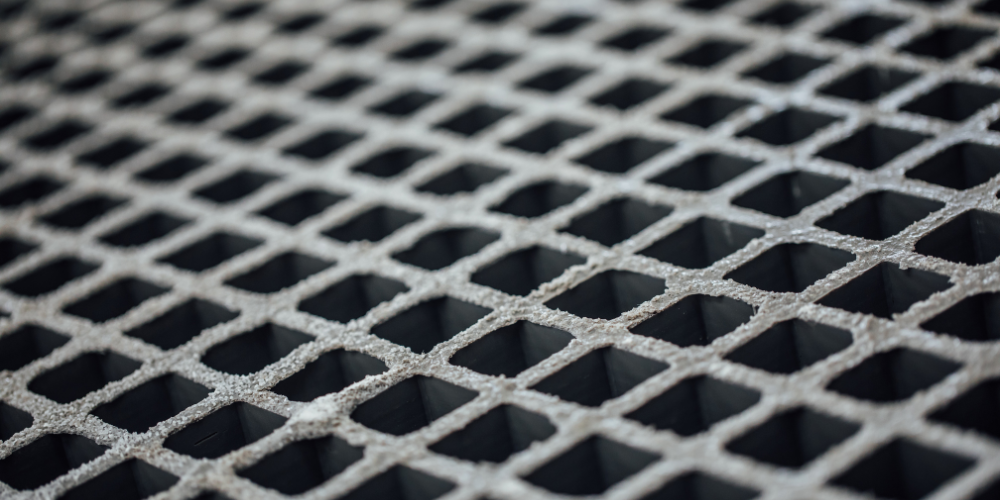
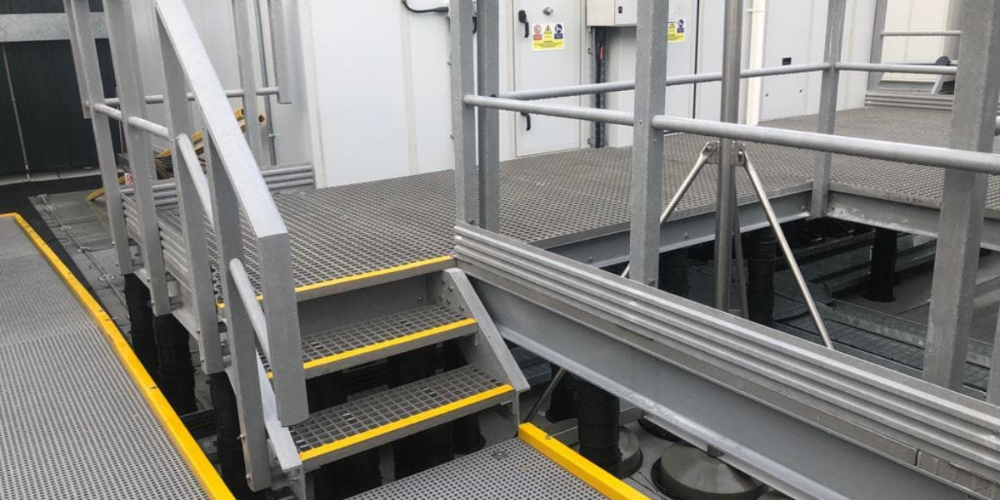
Mini mesh grating panels are designed with smaller openings than standard open mesh grating. This design provides enhanced safety by preventing small objects from falling through and is ideal for environments where pedestrian traffic is high, such as public walkways.
- Best For: Public walkways, stair treads, riser void protection and areas with high foot traffic.
- Explore Our Mini Mesh Grating Panels

- Solid Top Grating Panels
Solid top grating panels offer a smooth, flat surface, making them an excellent choice for environments where a completely sealed surface is required. They are often used in areas where debris must be contained or where a non-porous surface is necessary.
- Best For: Areas where containment is critical, such as food processing plants and chemical facilities.
- Explore Our Solid Top Grating Panels
Key Factors to Consider When Choosing GRP Grating Panels
1. Load Requirements
One of the most important considerations is the load the grating must support. This includes:
- Pedestrian traffic
- Maintenance equipment
- Concentrated loads (e.g., point loads from machinery)
- Occasional vehicle access
Failure to correctly assess load requirements can lead to excessive deflection or structural failure.
Typical applications include:
- Light duty: walkways and access platforms
- Medium duty: plant access areas
- Heavy duty: industrial platforms and service zones
2. Span and Support Structure
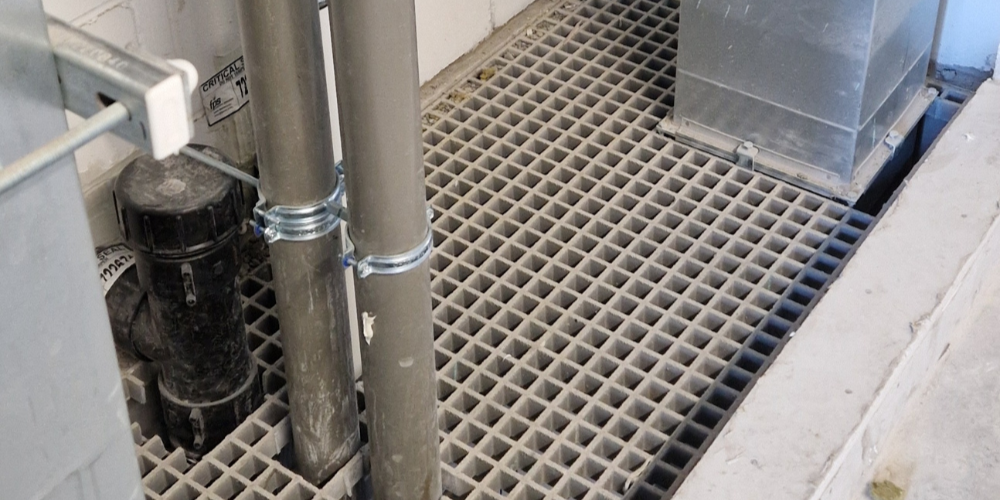
Span refers to the distance between supports beneath the grating panel. The greater the span, the thicker or stronger the grating must be.
Typical guidance:
- 25mm depth: shorter spans, light-duty applications
- 38mm depth: general-purpose industrial use
- 50mm depth: longer spans and higher loads
Engineers should always verify span tables and allowable deflection limits when specifying grating.
3. Mesh Size and Open Area
Mesh size impacts both safety and functionality.
Common options include:
- Standard mesh (38mm x 38mm): General industrial use
- Mini mesh: Improved safety for high-heel traffic or small objects
- Micro mesh: Enhanced fall protection and debris control
Smaller mesh sizes are particularly important in:
- Public access areas
- Rail infrastructure
- Elevated platforms
4. Slip Resistance
Slip resistance is a critical safety factor, particularly in wet, oily, or high-traffic environments.
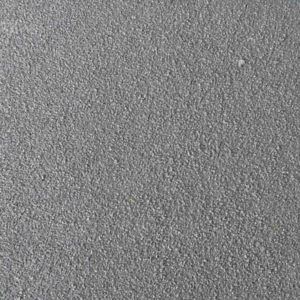
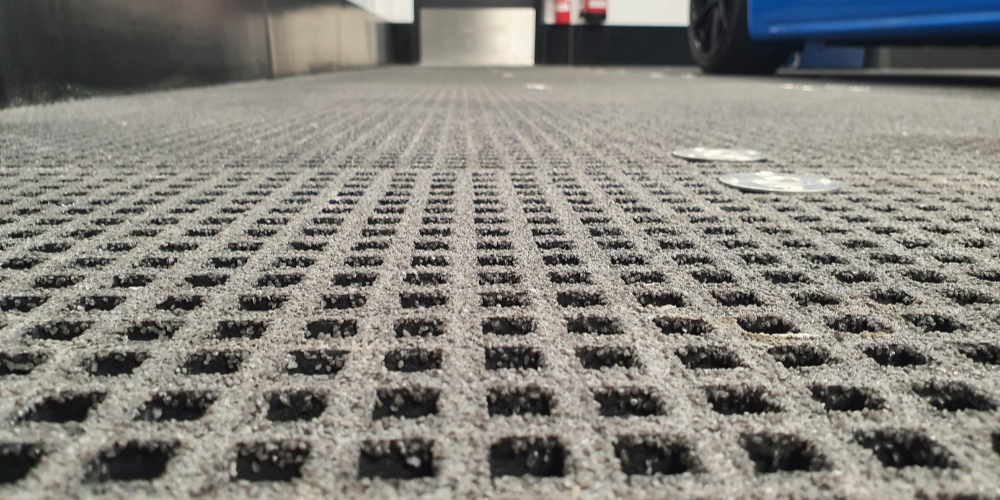
GRP grating typically incorporates a gritted surface for enhanced grip. Slip resistance performance should be assessed in accordance with recognised standards such as BS 7976.
Applications where slip resistance is essential include:
- Water treatment plants
- Marine environments
- Food processing facilities
5. Environmental Conditions
GRP grating is often selected for its resistance to harsh environments. However, the specific resin type must be chosen carefully.
Key environmental considerations:
- Chemical exposure
- Saltwater and marine conditions
- UV exposure
- Temperature extremes
How to Select the Correct GRP Grating Thickness and Span
| Grating Type | Typical Depth | Typical Span |
|---|---|---|
| 25mm Open Mesh | Light duty | Up to 900mm |
| 38mm Open Mesh | General duty | Up to 1200mm |
| 50mm Open Mesh | Heavy duty | Up to 1500mm |
Open Mesh Grating Options
| Type | Depth (mm) |
Mesh size base (mm) |
Standard panel size (mm) |
Open Area % | Approx Weight | Standard Surface | Standard Colours |
| Re-Grid 2538 | 25 | 38 x 38 |
4002 x 998 3660 x 1220 |
70 | 13.5 |
Grit
|
Light Grey |
| Re-Grid 3038 | 30 | 38 x 38 |
4002 x 998 4038 x 1000 3660 x 1220 |
70 | 15.5 | Grit | Light Grey |
| Re-Grid 3838 | 38 | 38 x 38 |
4002 x 998 4038 x 1000 3660 x 1220 |
70 | 18.5 | Grit | Light Grey, Charcoal |
| Re-Grid 5050 | 50 | 50 x 50 | 3660 x 1220 | 78 | 21.2 | Grit | Light Grey |
Why Choose GRP Grating Panels?
GRP grating panels offer a host of advantages over traditional materials like steel or wood, including:
- Corrosion Resistance: Ideal for corrosive environments.
- Lightweight: Easier to install and handle.
- Low Maintenance: Requires minimal upkeep over time.
- Durability: Long-lasting, even in harsh conditions.
- Non-Conductive: No earthing is required.
- Safety: Excellent slip resistance and fire retardant options available.
GRP Grating vs Steel Comparison Table
| Feature | GRP Grating | Steel Grating |
|---|---|---|
| Corrosion Resistance | Excellent | Can rust |
| Weight | Up to 70% lighter | Heavy |
| Maintenance | Minimal | Ongoing |
| Electrical Conductivity | Non-conductive | Conductive |
| Installation | Easy | More labour intensive |
GRP Grating Standards and Safety Compliance
At Relinea, we are dedicated to delivering GRP grating solutions that not only meet but consistently exceed industry expectations. Our products are carefully engineered in accordance with recognised British and European Standards, including BS 4592 for industrial flooring and stair treads, BS EN ISO 14122 for safe access to machinery, BS 7976 for slip resistance, and relevant fire performance standards such as BS 476 and EN 13501.
These standards are globally recognised benchmarks for safety, performance, and durability, ensuring our grating performs reliably in demanding environments. By choosing Relinea’s GRP grating, you are not simply selecting a product, you are specifying a solution designed for long-term safety, structural integrity, and dependable performance in critical applications.
Which Resin Should You Choose?
| Resin Type | Best For |
|---|---|
| Orthophthalic | General industrial use |
| Isophthalic | Chemical resistance |
| Vinyl Ester | Aggressive chemical environments |
| Phenolic | High fire performance |
The resin system used in GRP grating significantly influences its performance.
Orthophthalic Resin
- General-purpose applications
- Cost-effective solution
Isophthalic Resin
- Improved chemical resistance
- Suitable for moderately aggressive environments
Vinyl Ester Resin
- Excellent resistance to chemicals and corrosion
- Ideal for highly aggressive industrial settings
Phenolic Resin
- Enhanced fire performance
- Low smoke and flame spread
Correct resin selection ensures long-term durability and reduces maintenance requirements.
Find out more about which resin is right for your project here.
How to Buy GRP Grating
When you’re ready to buy GRP grating panels, it’s important to choose a reputable supplier who can provide high-quality products tailored to your needs. At Relinea, we offer a wide range of GRP grating solutions, including open mesh grating, mini mesh grating, and solid top grating panels.
- Browse Our Full Range of GRP Grating Panels
Selecting the right panels for your project involves considering a variety of factors, from load-bearing capacity and environmental conditions to safety requirements and aesthetics. Whether you need open mesh flooring for drainage, mini mesh grating for high traffic areas, or solid top grating for a sealed surface, GRP grating panels offer a durable, versatile, and cost-effective solution.
For more information on our GRP grating options or to discuss your project’s specific needs, contact us today or visit our product pages for detailed specifications.
Talk to the experts:
Choosing the right GRP grating panel requires a careful balance of structural performance, environmental suitability, safety, and compliance.
At Relinea, we are committed to delivering GRP grating solutions that not only meet but exceed industry expectations. Our products are engineered in line with recognised British and European Standards, ensuring reliable performance in even the most demanding environments.
By taking a structured approach to specification and considering the factors outlined in this guide, engineers and project stakeholders can confidently select GRP grating that delivers long-term safety, durability, and value.
Ultimately, the right choice is not just about selecting a product, it is about investing in a solution that performs consistently over its entire lifecycle.
With over 20 years experience in working with GRP, our team has a deep understanding of our customers challenges, and the expertise and specialist knowledge to design bespoke GRP solutions.
Call us today on 02894470010, email info@relinea.com or fill in our contact form and we’ll get back to you.